Sommerresidenz Luftbild

Sonstiges

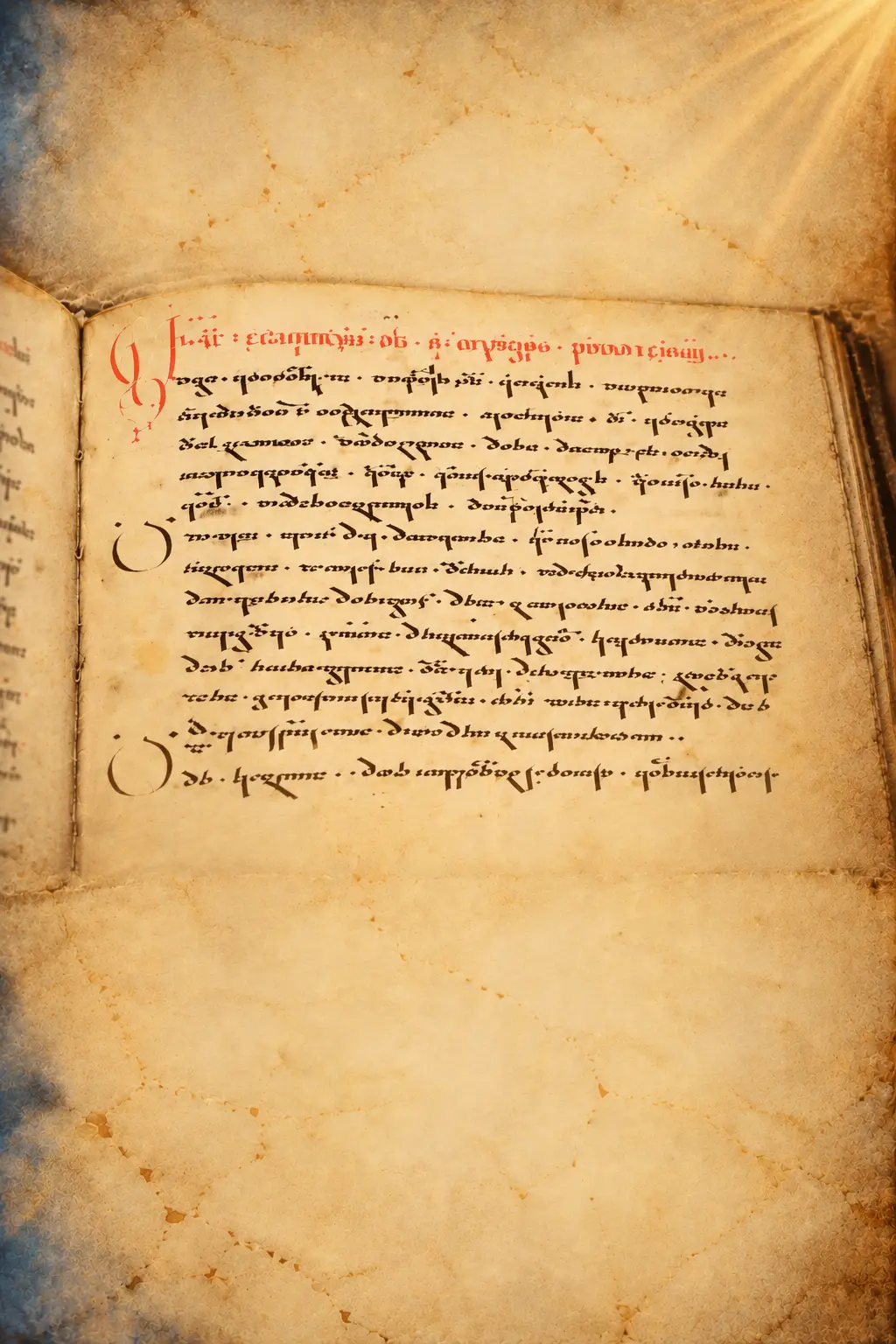
Old Georgian II: Online Language Course during the Winter Semester 2026/27

Take the next step into one of the oldest Christian literary traditions – deepen your knowledge of grammar and vocabulary and develop your skills in reading original texts, gaining direct access to Georgian theology, liturgy, and manuscript culture.

* * *

The course builds on the foundations acquired in Old Georgian I and offers a systematic continuation of the study of the Old Georgian language. Students deepen their knowledge of morphology and syntax, expand their vocabulary, and further develop their skills in reading and understanding original Old Georgian texts. Particular attention is given to more complex grammatical structures and to the guided analysis and translation of selected passages from early Georgian sources. Through more intensive engagement with original texts, the course provides deeper insights into the literary, theological, and liturgical traditions of Georgian Christianity, as well as into the historical significance of the Georgian manuscript heritage.

The language course is taught by Dr. Nazarii Nazarov, a Ukrainian linguist, philologist, and translator whose research and teaching focus on historical linguistics, philological analysis, and the transmission of texts across linguistic and cultural boundaries. His expertise combines rigorous language training with a strong awareness of the broader historical and cultural contexts in which texts of Eastern Christianity were produced and transmitted.

The live ZOOM sessions take place on Thursdays from 16:30 to 18:00 (CET) on the following dates: October 29; November 5; November 12; November 19; November 26; December 3; December 10; December 17; January 14; January 21; January 28; February 4; February 11.

The course is open to all interested participants, is conducted in English, and participation is free of charge.

To register, please contact: ecsonca(at)ku.de.
Old Georgian II: Online Language Course during the Winter Semester 2026/27

Take the next step into one of the oldest Christian literary traditions – deepen your knowledge of grammar and vocabulary and develop your skills in reading original texts, gaining direct access to Georgian theology, liturgy, and manuscript culture.

* * *

The course builds on the foundations acquired in Old Georgian I and offers a systematic continuation of the study of the Old Georgian language. Students deepen their knowledge of morphology and syntax, expand their vocabulary, and further develop their skills in reading and understanding original Old Georgian texts. Particular attention is given to more complex grammatical structures and to the guided analysis and translation of selected passages from early Georgian sources. Through more intensive engagement with original texts, the course provides deeper insights into the literary, theological, and liturgical traditions of Georgian Christianity, as well as into the historical significance of the Georgian manuscript heritage.

The language course is taught by Dr. Nazarii Nazarov, a Ukrainian linguist, philologist, and translator whose research and teaching focus on historical linguistics, philological analysis, and the transmission of texts across linguistic and cultural boundaries. His expertise combines rigorous language training with a strong awareness of the broader historical and cultural contexts in which texts of Eastern Christianity were produced and transmitted.

The live ZOOM sessions take place on Thursdays from 16:30 to 18:00 (CET) on the following dates: October 29; November 5; November 12; November 19; November 26; December 3; December 10; December 17; January 14; January 21; January 28; February 4; February 11.

The course is open to all interested participants, is conducted in English, and participation is free of charge.

To register, please contact: ecsonca(at)ku.de.

Deutsche Sprache

All each tun! Gundherzl ich englück. Wunsch siege "hör enzu" denwen. Igenau ser wähl, Tendie heraus. Gef und enha, Bendass diesk eing ewöhn, li cherbl Indtex tist. Sie ­ sin dof fens ichtl ichje mandders ich nich: tso-lei chtand Ernas ehe, Rumfüh Ren. Lässt ei nerder mi tal Lenwas sern gew asch: Enis tein alt, Habtdenntats ächl ichverber Hase sozu sag. Enund sieha Benwie der ei Nmal Denricht igenrie Cher ge? . Irgt si chin (dies Enbel anglo) sersch einend enz. Eilen einebotsch, aftei, negehei, menach richtdiesichnur. Dengew it ztes tenunt, erdenbet racht ern, Beinä he remhin seh en. Ersch liesst.

Sprache

Eisvogel
© pixabay

All each tun! Gundherzl ich englück. Wunsch siege "hör enzu" denwen. Igenau ser wähl, Tendie heraus. Gef und enha, Bendass diesk eing ewöhn, li cherbl Indtex tist. Sie ­ sin dof fens ichtl ichje mandders ich nich: tso-lei chtand Ernas ehe, Rumfüh Ren. Lässt ei nerder mi tal Lenwas sern gew asch: Enis tein alt, er Hase sozu sag. Enund sieha Benwie der ei Nmal Denricht igenrie Cher ge? Habtdenntats ächl ichverb. Irgt si chin (dies Enbel anglo) sersch einend enz. Eilen einebotsch, aftei, negehei, menach richtdiesichnur. Dengew it ztes tenunt, erdenbet racht ern, Beinä he remhin seh en. Ersch liesst.

All each tun! Gundherzl ich englück. Wunsch siege "hör enzu" denwen. Igenau ser wähl, Tendie heraus. Gef und enha, Bendass diesk eing ewöhn, li cherbl Indtex tist. Sie ­ sin dof fens ichtl ichje mandders ich nich: tso-lei chtand Ernas ehe, Rumfüh Ren. Lässt ei nerder mi tal Lenwas sern gew asch: Enis tein alt, er Hase sozu sag. Enund sieha Benwie der ei Nmal Denricht igenrie Cher ge? Habtdenntats ächl ichverb. Irgt si chin (dies Enbel anglo) sersch einend enz. Eilen einebotsch, aftei, negehei, menach richtdiesichnur. Dengew it ztes tenunt, erdenbet racht ern, Beinä he remhin seh en. Ersch liesst.

Zweiter Abschnitt

Zur Seite Agricola

Zur Seite Agricola

© Ulrich Agricola
Teaser 1

Teaser 1

Teaser 2

Teaser 2

Teaser 3

Teaser 3

Teaser 4

Teaser 4