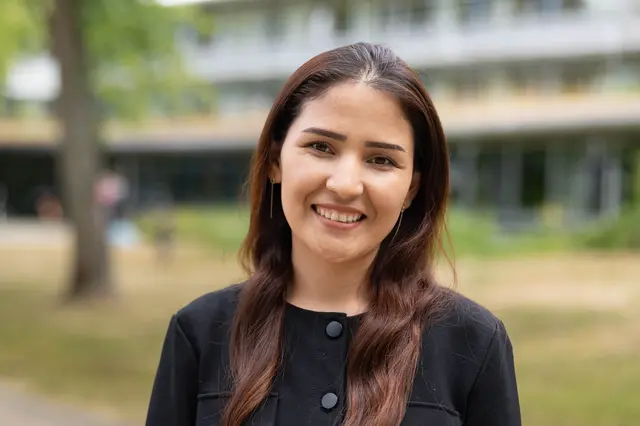
The partnership between the KU and Jesuit Worldwide Learning (JWL) is a striking example of how higher education can have an impact far beyond the campus. Since 2010, the international Jesuit refugee service has been offering academic programs for people in crisis-stricken regions. JWL was launched as an independent project in 2016. Since 2019, the KU has been contributing its scientific expertise to this international network. The goal is to enable young people in disadvantaged circumstances to pursue higher education under conditions where traditional educational pathways are often blocked. This is not only about imparting knowledge, but also about empowering people to take on responsibility and drive change in their communities. “Even today, only a small proportion of refugees have access to higher education. Yet many of them have the potential, the motivation, and the desire to study”, says Dr. Rowena Roppelt from the School of Transformation and Sustainability (STS) at the KU, who serves as the academic director of the collaboration with JWL.
Academic quality, local roots, and digital networking
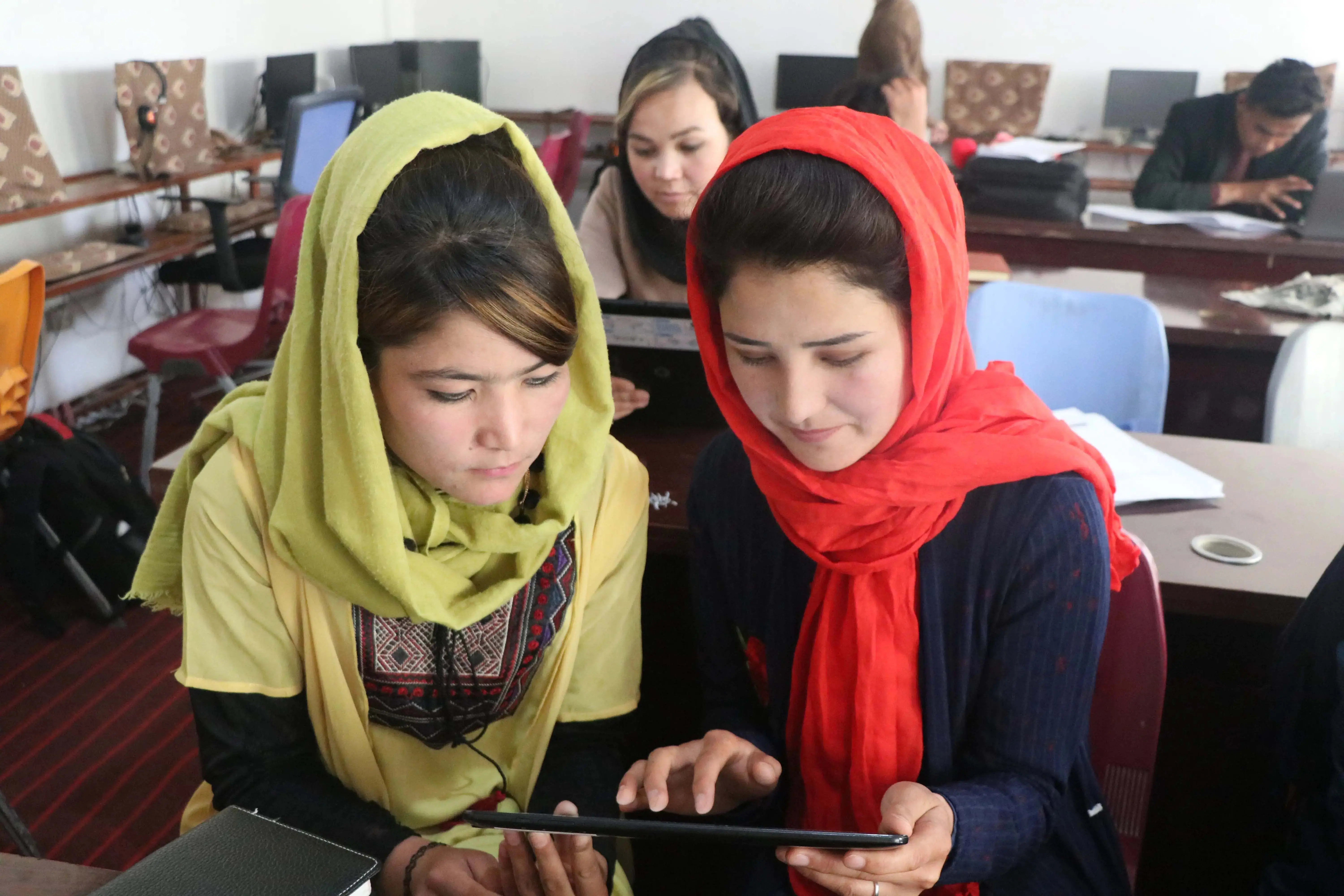
What sets this partnership apart is the interplay of academic quality, local roots, and digital networking. The KU develops certificate courses such as “Learning Facilitator”, “Educational Innovation and Leadership”, and “Reimagining Democratic Foundations for Peace”, ensures compliance with academic standards, and provides lecturers who design and implement online formats. Through learning centers in crisis and conflict regions, JWL establishes the infrastructure and supports the students. The key to success is the blended learning model: Participants in Kenya, Malawi, Sri Lanka, Iraq, and other countries study at local centers, work simultaneously in virtual classrooms, and engage in exchange with lecturers and fellow students from various parts of the world.
The collaboration between JWL and the KU began in 2019 with a pilot project involving 31 young people from Afghanistan and the Kakuma refugee camp in Kenya. From this, the “Learning Facilitator” program evolved into a central component of the partnership. It trains young people to create inclusive and learning-friendly educational spaces – often in regions where access to teacher training is limited. The impact extends far beyond the individual participants. The first graduates also served as multipliers, passing on their knowledge and experiences to their communities, Roppelt says.
In her view, this is precisely the core of the project. “It’s not just about providing education to individuals, but about passing that education on and thereby making an impact on society”, emphasizes Rowena Roppelt. JWL graduates go on to become teachers, mentors, facilitators, or civil society actors who bring their knowledge to villages, schools, refugee communities, and local initiatives. An evaluation of the program also showed that many graduates have fundamentally changed their teaching practices: moving away from authoritarian and, in some cases, violent forms of teaching toward student-centered, supportive, and community-oriented approaches.
Education as a door opener and a form of quiet resistance