40 years of research in dialog: How ZILAS brought Latin America to Eichstätt
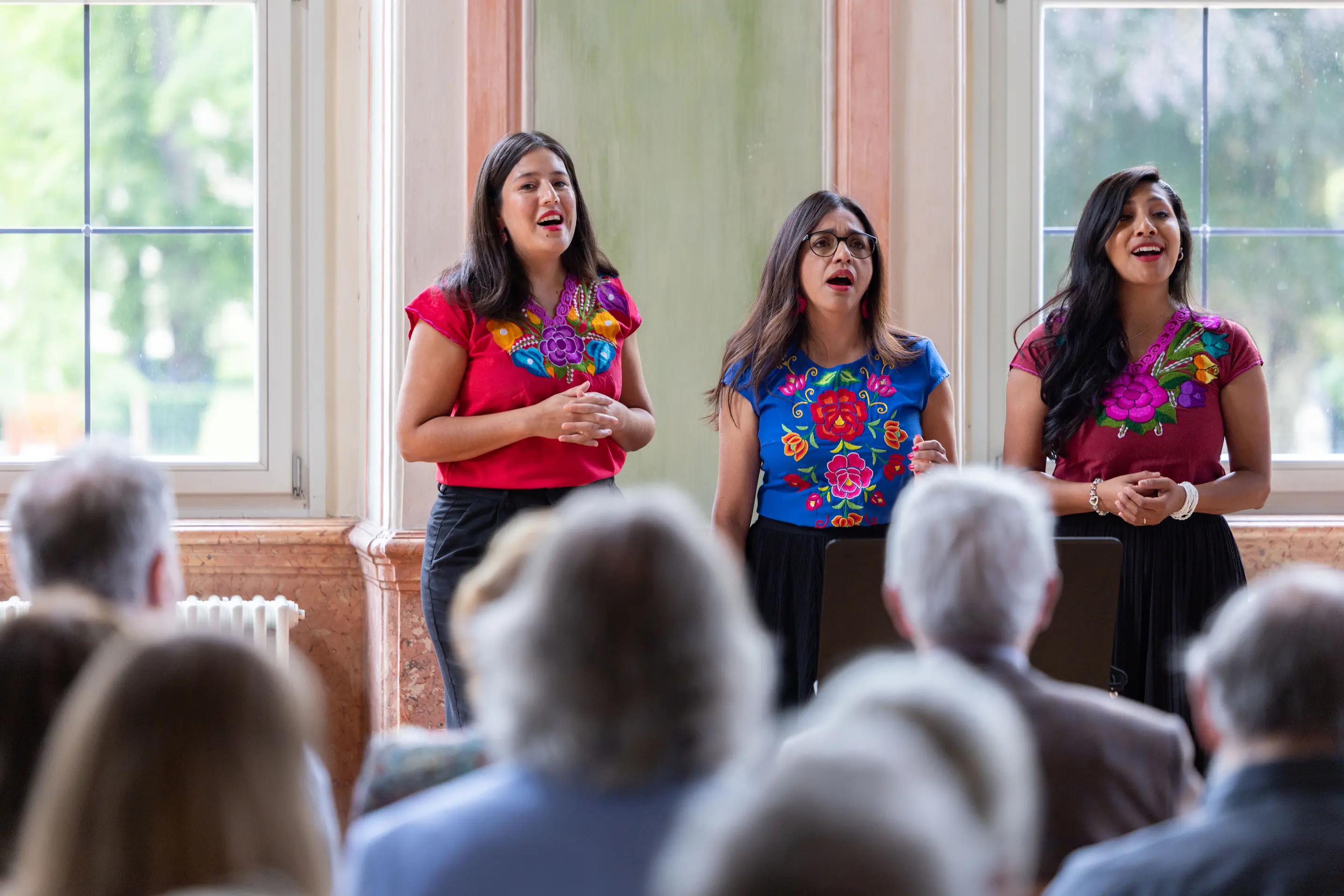
The Central Institute for Latin American Studies (ZILAS) at the Catholic University of Eichstätt-Ingolstadt (KU) is celebrating its 40th anniversary this summer. The anniversary was celebrated with a full day of festivities in Eichstätt. At the celebratory opening, the Latin American women’s trio “Voces Latinas” sang the song “Hoy” with its distinctive chorus, “todo cambia” – everything changes. A sentence that aptly describes the history of ZILAS. Since its founding in 1986, the institute has undergone repeated changes. The institute has been shaped by a variety of research topics, partners, and generations of researchers. What has remained a constant is its core mission: Interdisciplinary research on and with Latin America.
The history of ZILAS dates back to the university's early years. After several years of preliminary planning, the institute took up its work in 1986 under its founding director, Prof. Dr. Karl Kohut. In the decades that followed, it developed into one of the University’s leading academic institutions and became a fixed pillar in both national and international Latin American studies. At the KU, ZILAS conducts research in a wide range of fields, maintains a broad network, has close links with the Bachelor’s program in Latin American Studies and the German-Colombian Master’s program “Conflict, Memory, and Peace” and promotes knowledge transfer through film and lecture series .
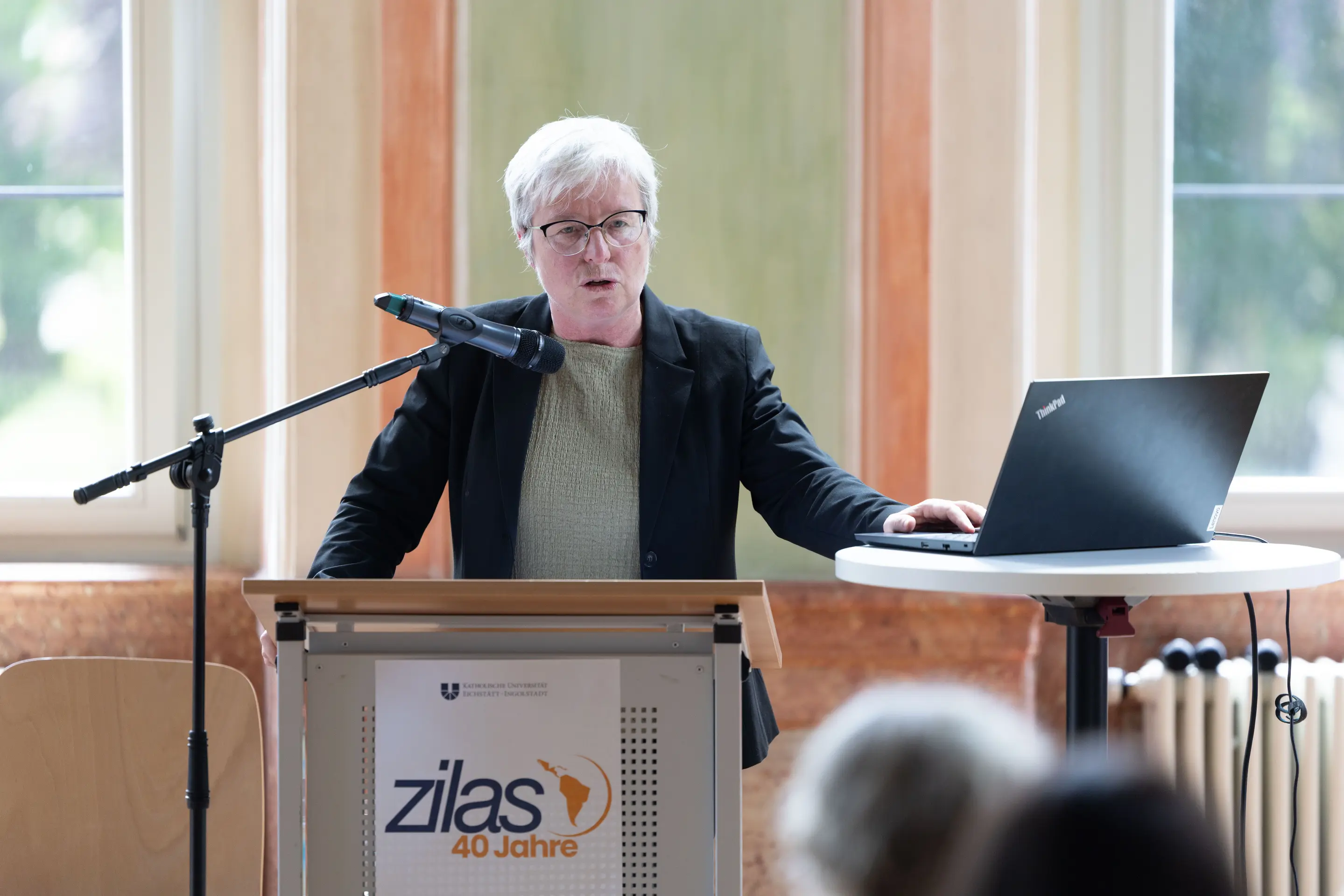
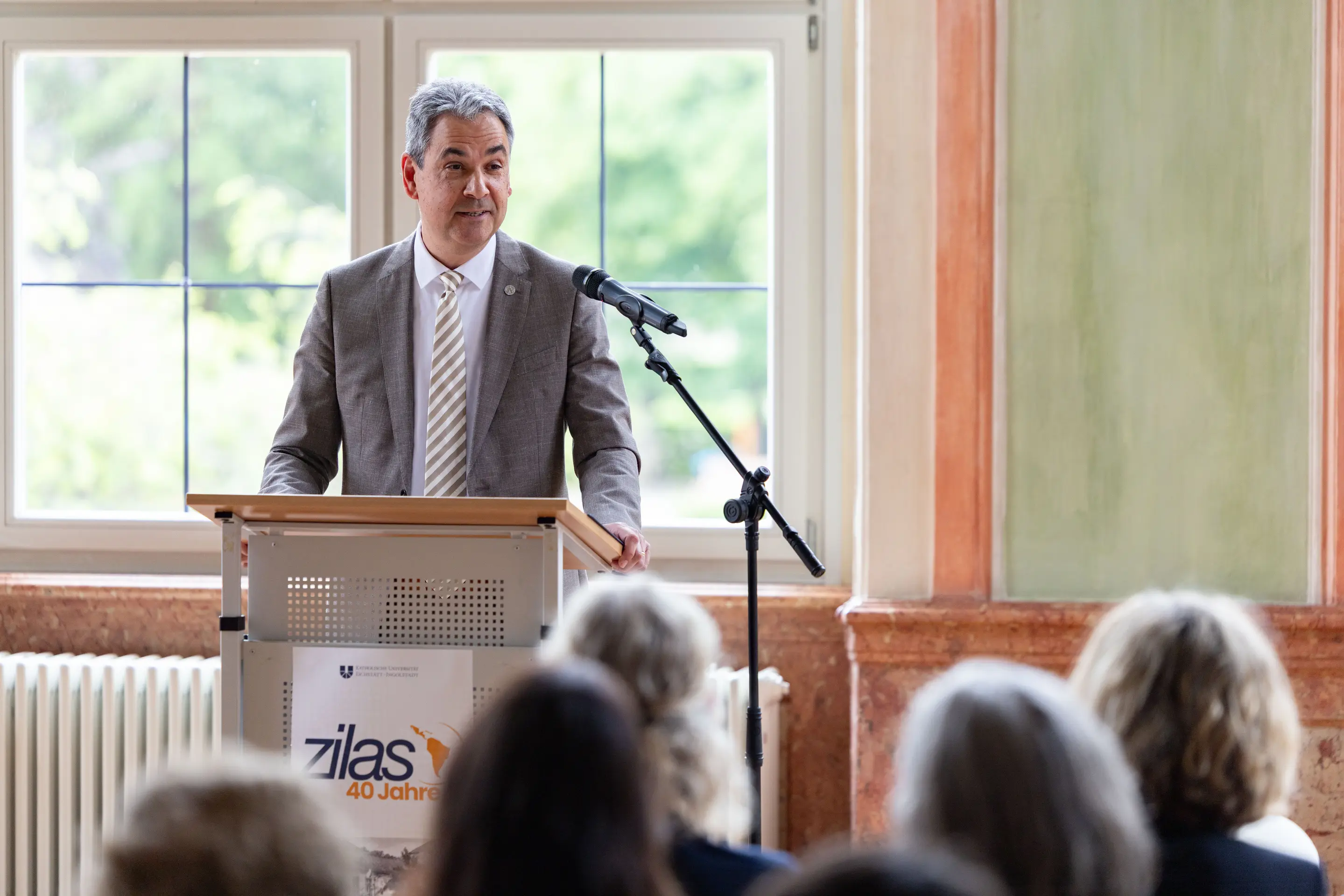
KU Vice President Prof. Dr. Klaus Stüwe emphasized the special significance of ZILAS in his welcoming speech on the anniversary: “Making Latin America a permanent focus of our academic and scientific interest was a bold decision at the time.” Today we can say: "It was a smart move, too!" ZILAS embodies interdisciplinary research on a whole continent and thus complements the KU's profile in a special way. As the University’s oldest research institution still in operation today, it has played a key role in shaping the KU's development – and that is what the University Management hopes will continue to be the case: “In a world where democracies are under pressure, migration and climate change are defining issues, and the question of social justice is more pressing than ever, institutions like ZILAS are needed now more than ever.”
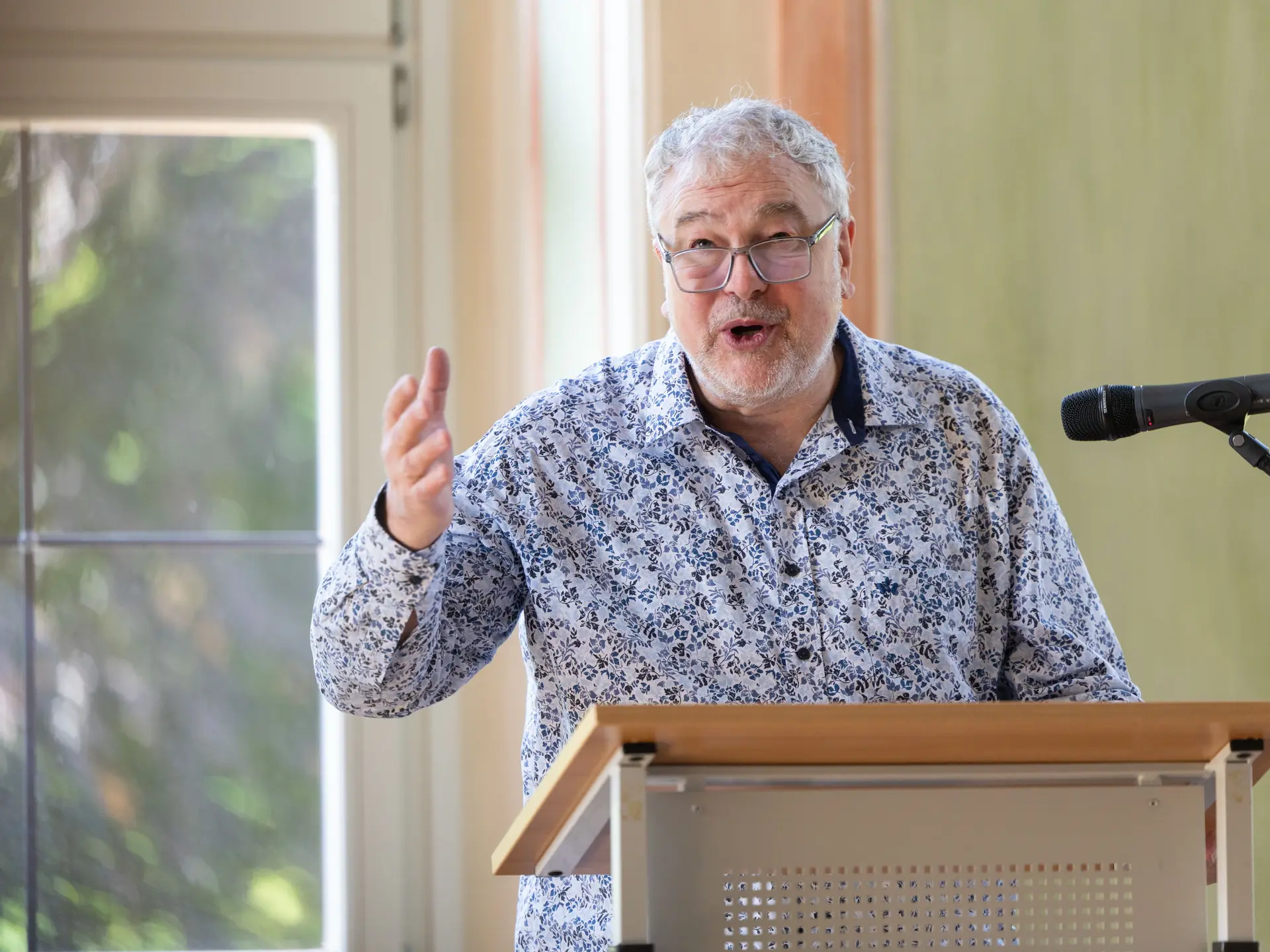
Prof. em. Dr. Hans-Joachim König, ZILAS Director from 1988 to 2006
The Institute's origins date back to a time when universities were increasingly discussing global responsibility and the role of the so-called Third World in research and teaching. Prof. Emeritus Dr. Hans-Joachim König, who would later serve as director of ZILAS for many years, recalled how Karl Kohut championed the idea of an interdisciplinary Latin American institute in the 1980s. In 1985, the Senate finally decided to establish a central institute. From the very beginning, it was intended to bring together researchers from various disciplines. The Faculty of History and Social Sciences made a significant contribution to this effort; in 1988, it established a Chair in Latin American history, which König assumed. At the same time, he became co-director of ZILAS. Until Kohut's retirement in 2004, the historian and the Romance scholar formed a successful partnership. Not only has the dual leadership model persisted to this day, as König noted in his opening remarks: “It is with great pleasure that I observe, in ZILAS’s teaching and research, that the fundamental spirit of dialog has remained and has deepened further over the past decades.”
Prof. Dr. Dr. h.c. Stefan Rinke (Free University of Berlin)
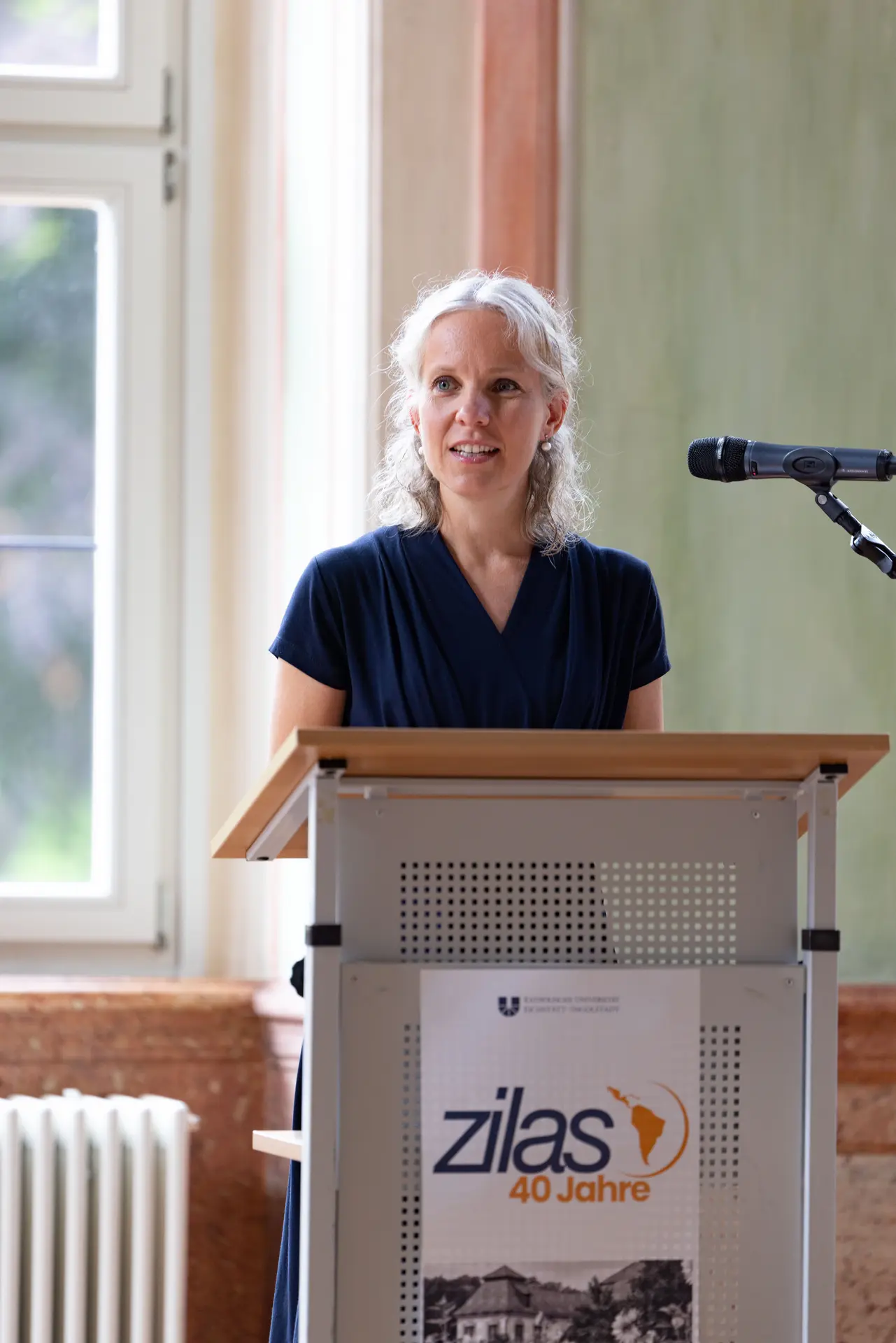
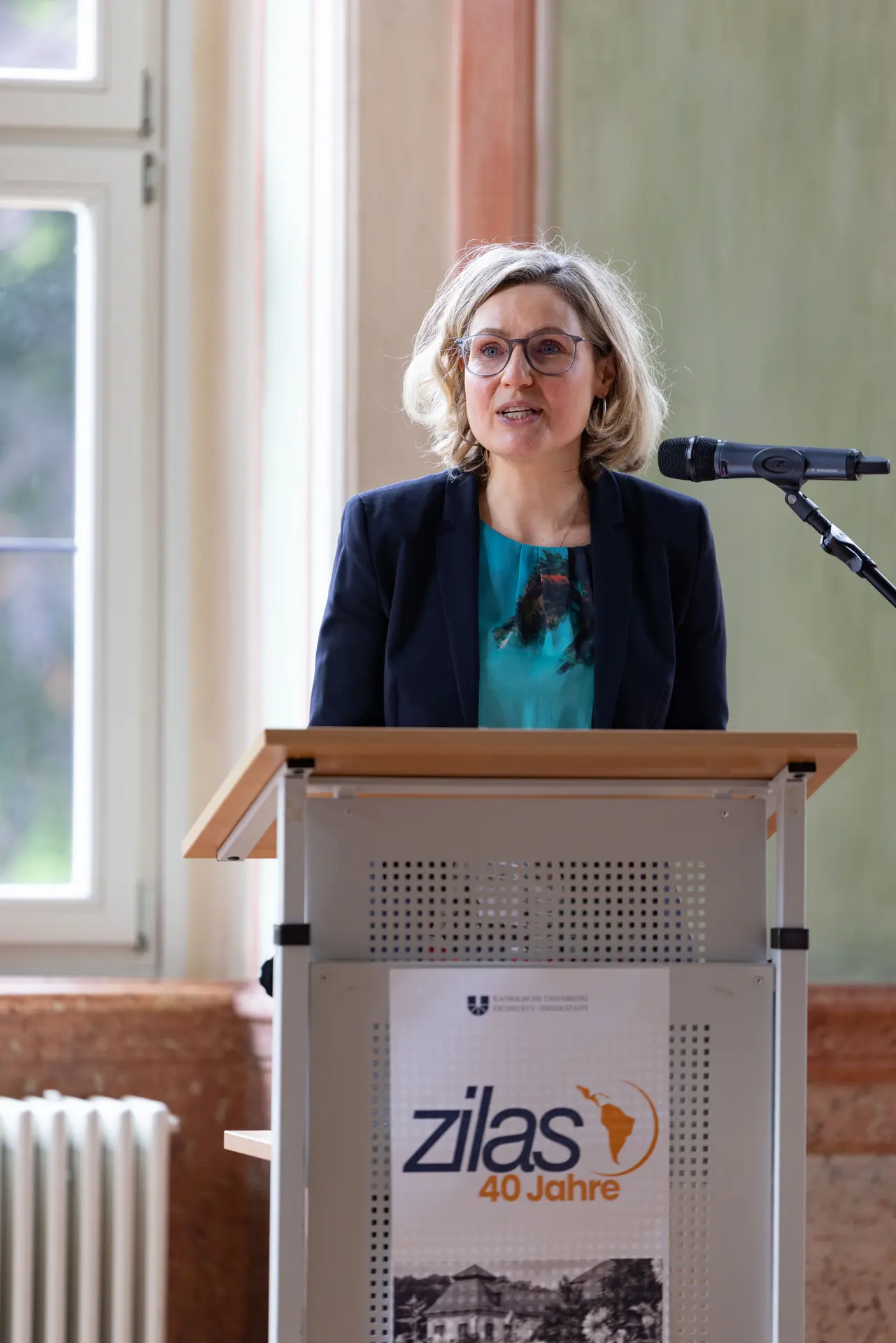
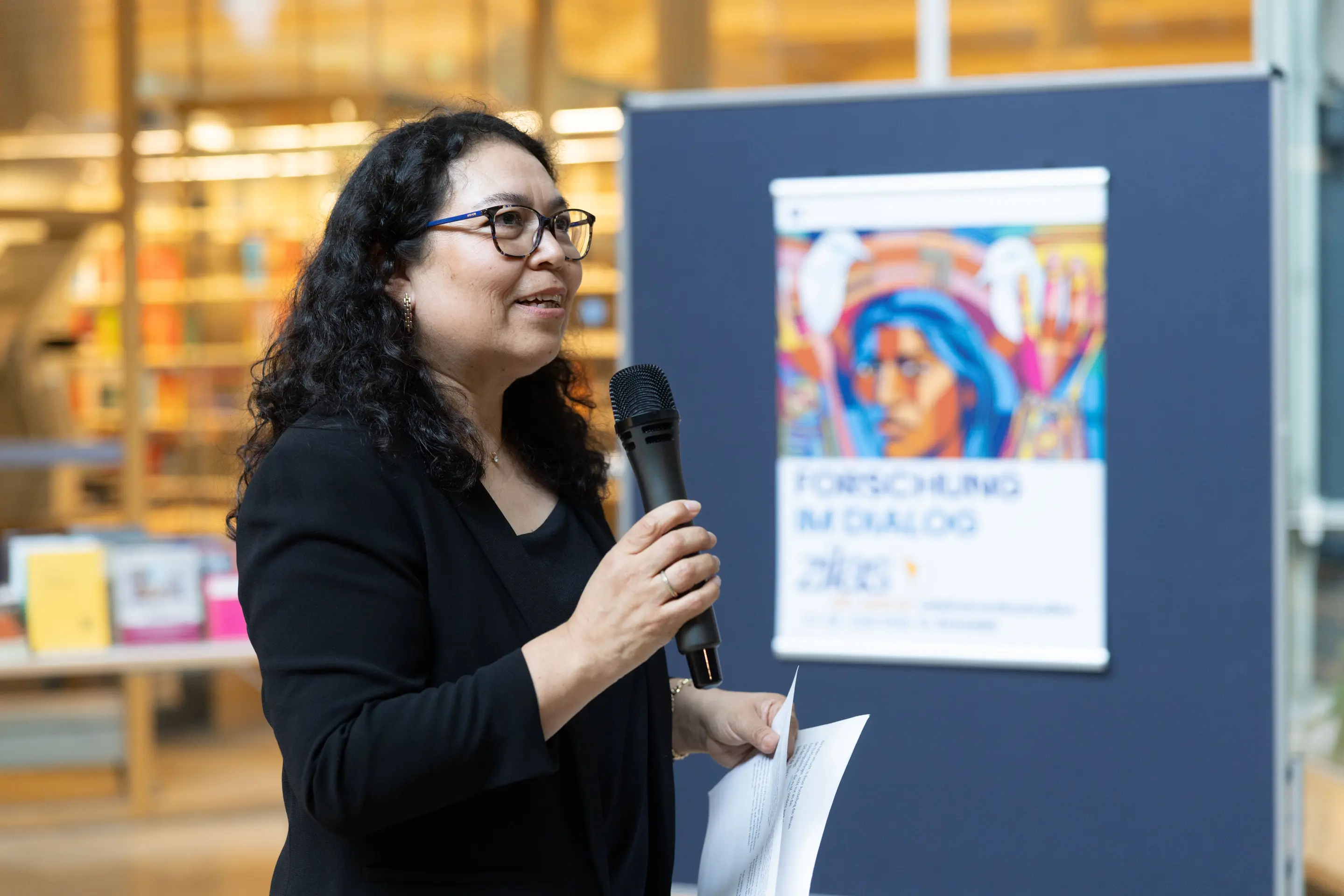
The current co-director, historian Prof. Dr. Nina Schneider, also emphasized this in her speech: “ZILAS stands for research and learning through exchange – in both directions.” The goal is to work with partners in Latin America to develop new perspectives, critically reflect on societal challenges, and continually learn new things ourselves. Prof. Dr. Miriam Lay Brander, a Romance languages expert and also co-director of ZILAS, addressed the former directors directly and said: “I would like to thank you for blazing trails through what was at times rough terrain, and for the structures and networks you have built – which we are building upon today, consolidating, and expanding.”
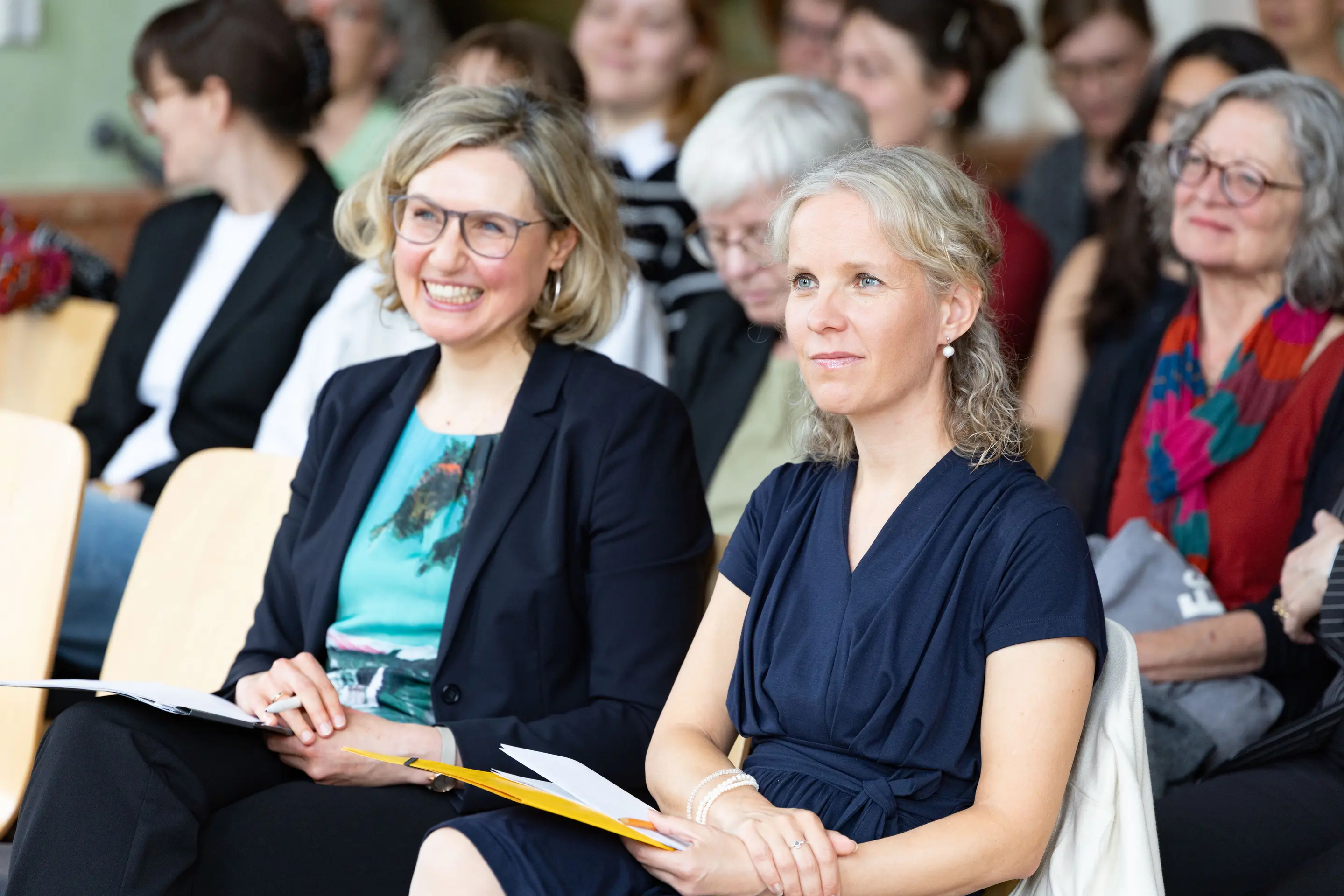
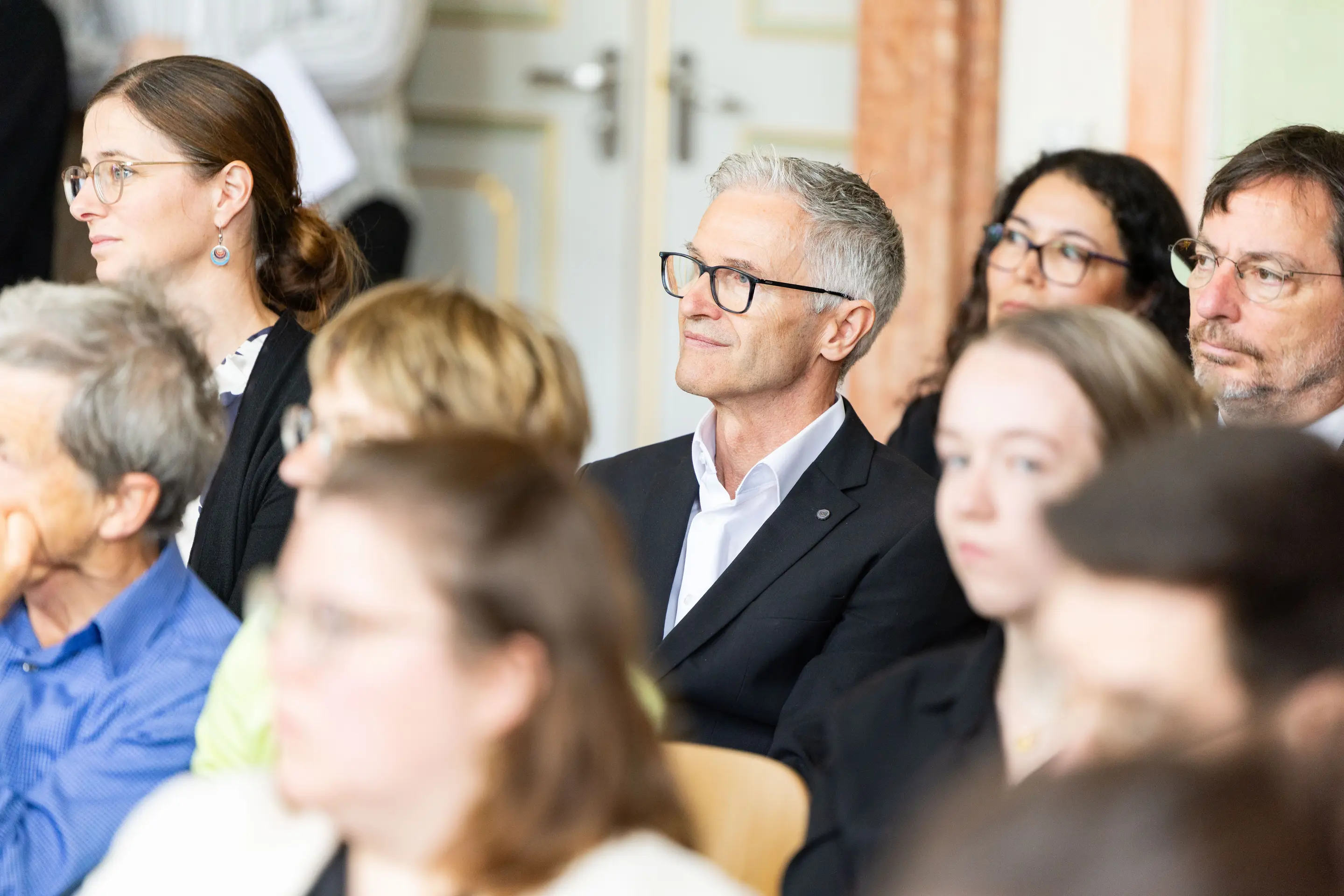
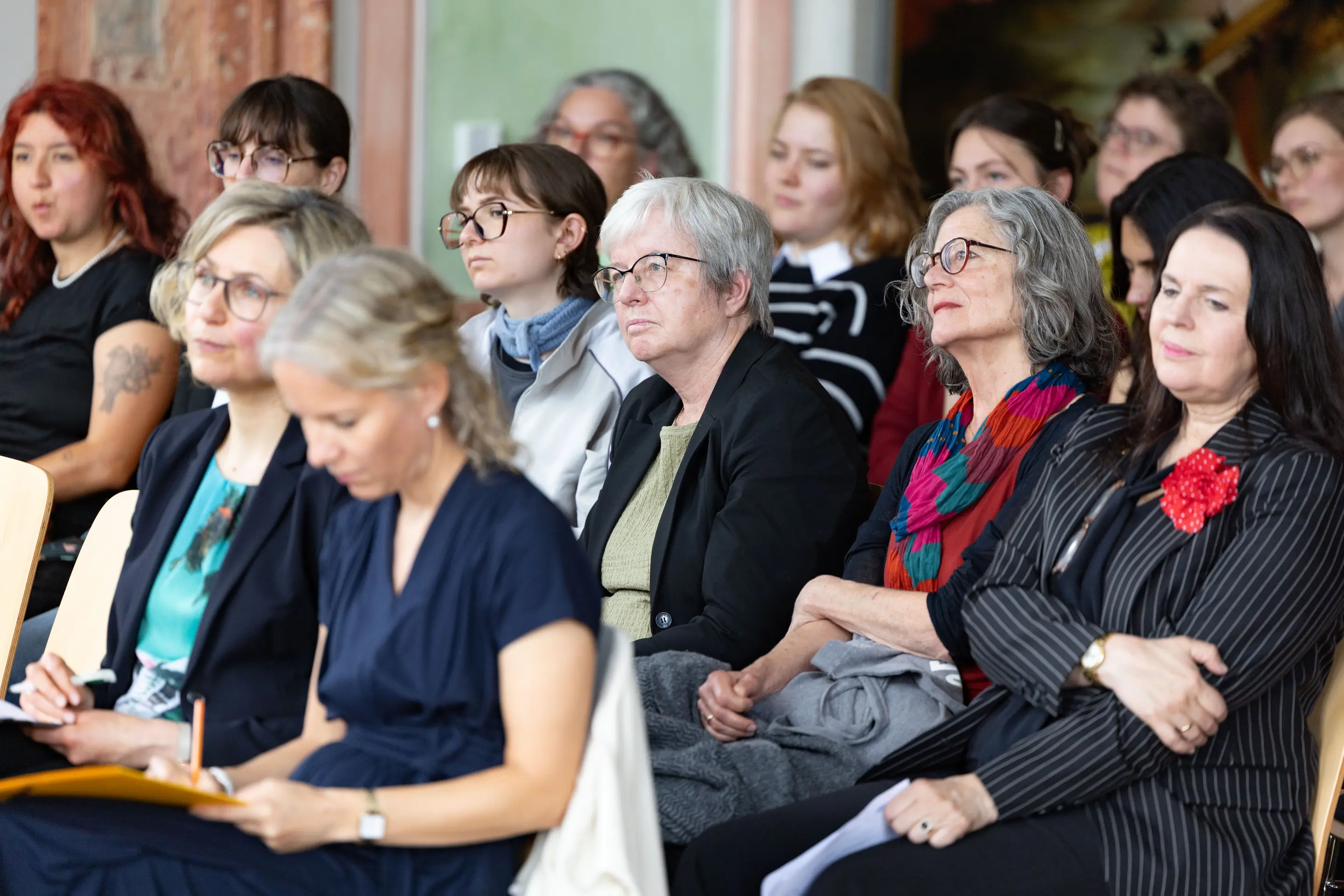
The significance of ZILAS far beyond the KU was evident at the anniversary celebration, as shown by the large number of national and international guests in attendance. Representatives from the German Academic Exchange Service (DAAD), the German Rectors' Conference, the Bavarian Center for Latin American Studies (BAYLAT), the Bavarian Research Alliance (BayFOR), the Ibero-American Institute in Berlin, and Latin American partner universities had come to Eichstätt. They represent an international network that has grown over the decades. Today, the Institute collaborates with 48 universities in Latin America and sees itself as a bridge between Germany and the Global South.
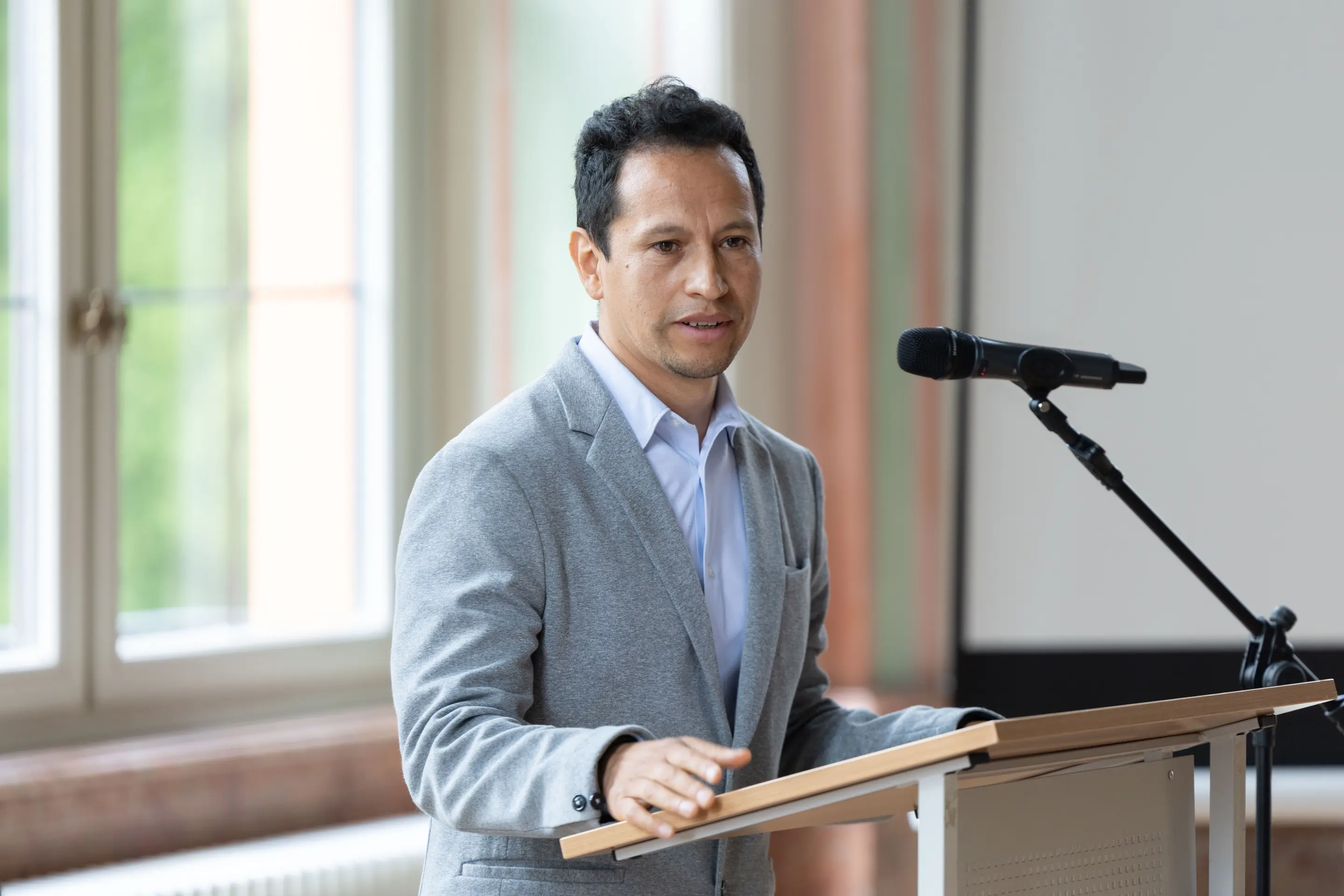
“ZILAS is an institution that is much larger than its size would suggest”, emphasized historian Prof. Dr. Dr. h.c. Stefan Rinke of FU Berlin, who earned his doctorate and habilitation at the KU. The KU shows that a small town can open a big window to the world. ZILAS is said to be the only interdisciplinary institute for Latin American studies in the German-speaking world besides Berlin. That is why it plays a special role. “Latin America cannot be understood through the lens of a single discipline; one must be able to see the interconnections”, said Rinke. “ZILAS has created a space for this kind of thinking.” In terms of its mission, the institute serves as an important role model for him: "Today we're also celebrating a certain attitude: The conviction that Latin America deserves attention and that interdisciplinary thinking is more than just a fashion."
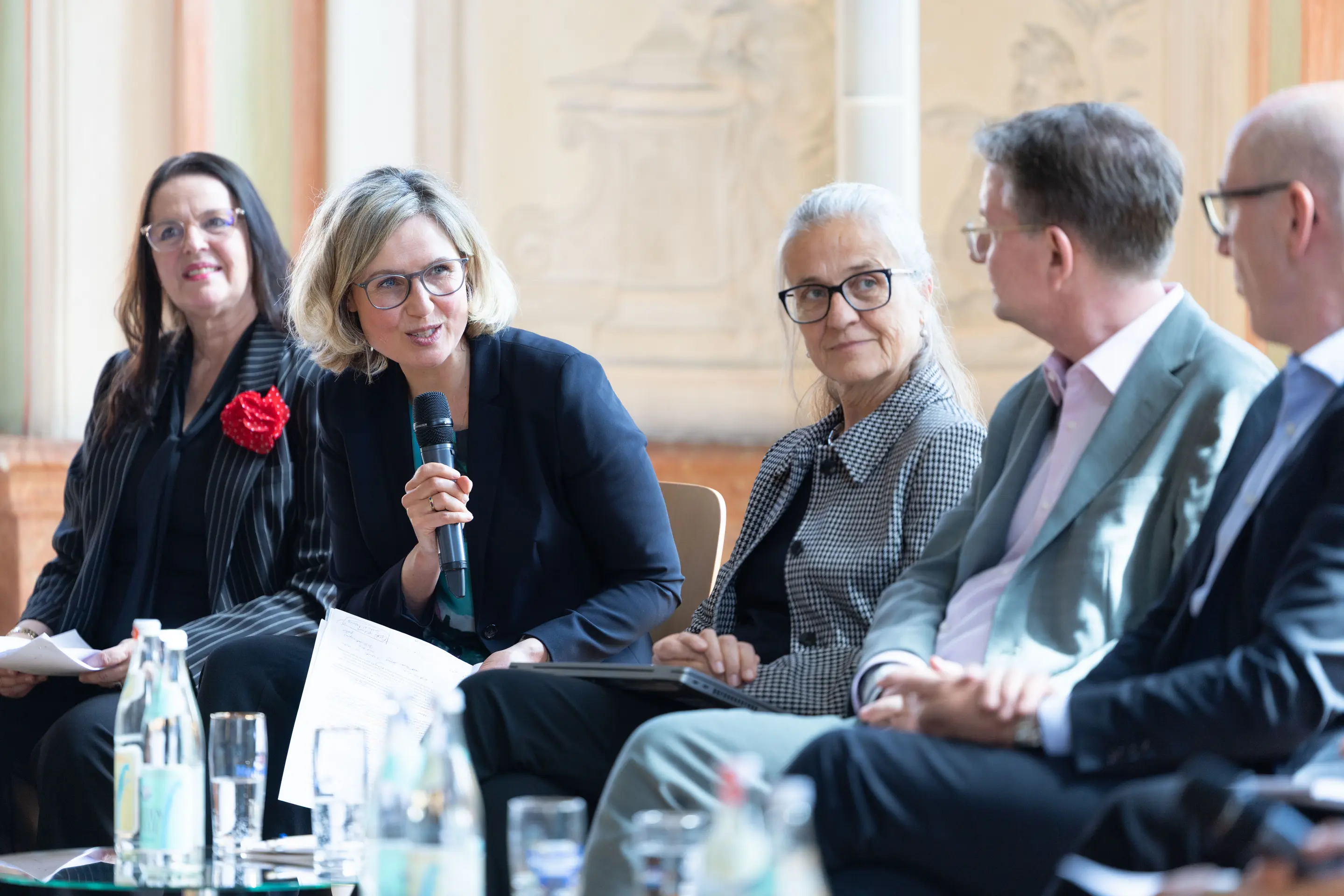
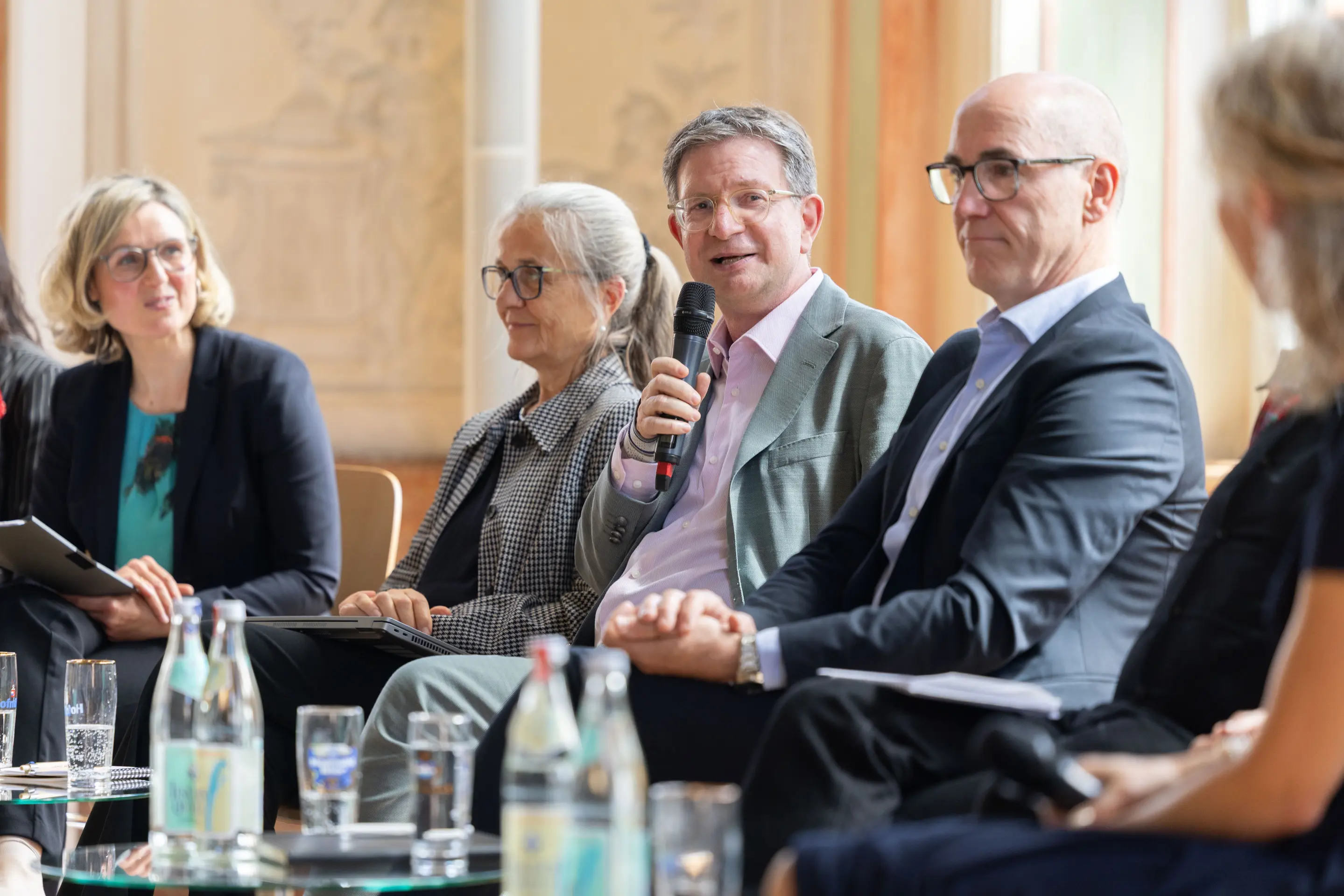
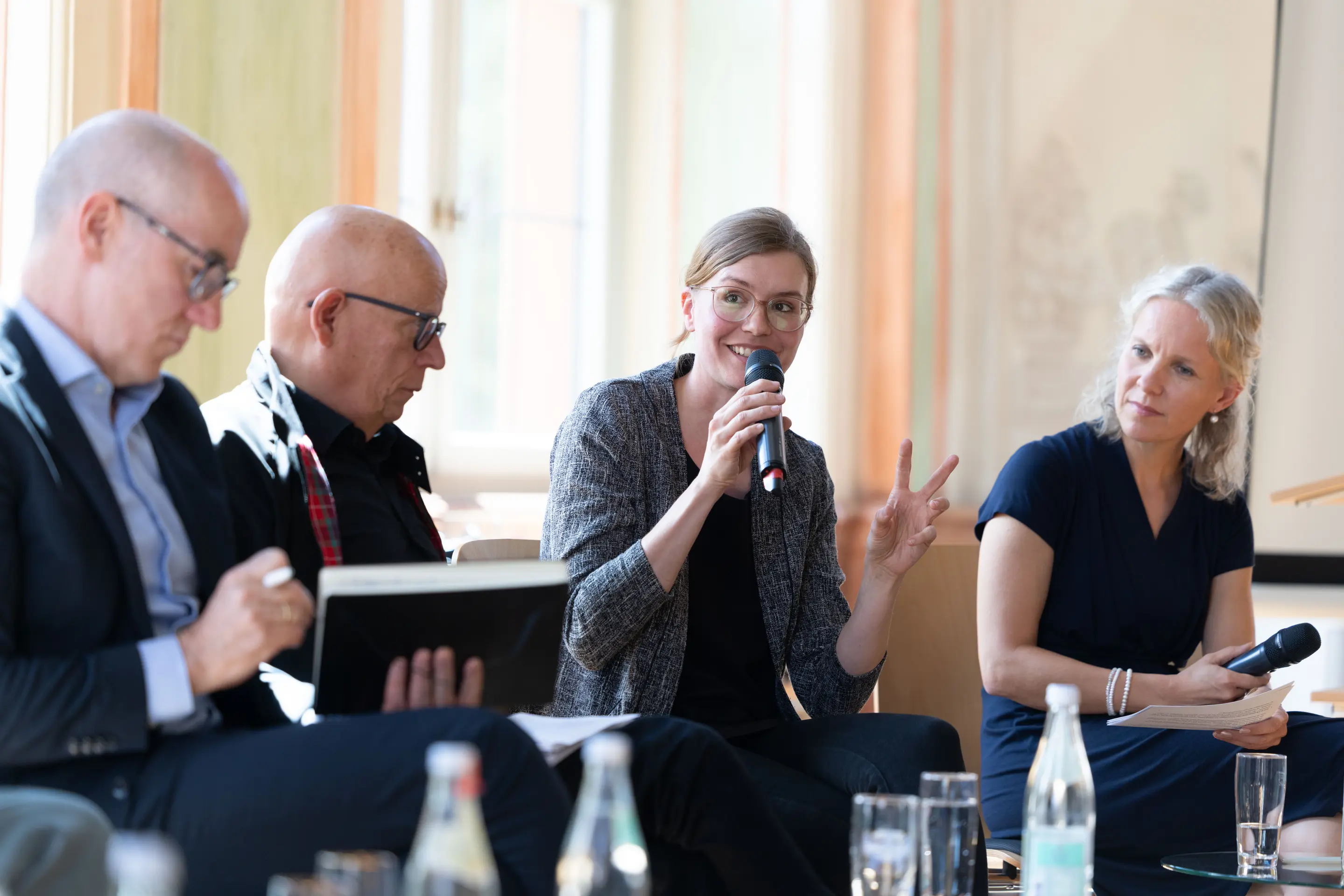
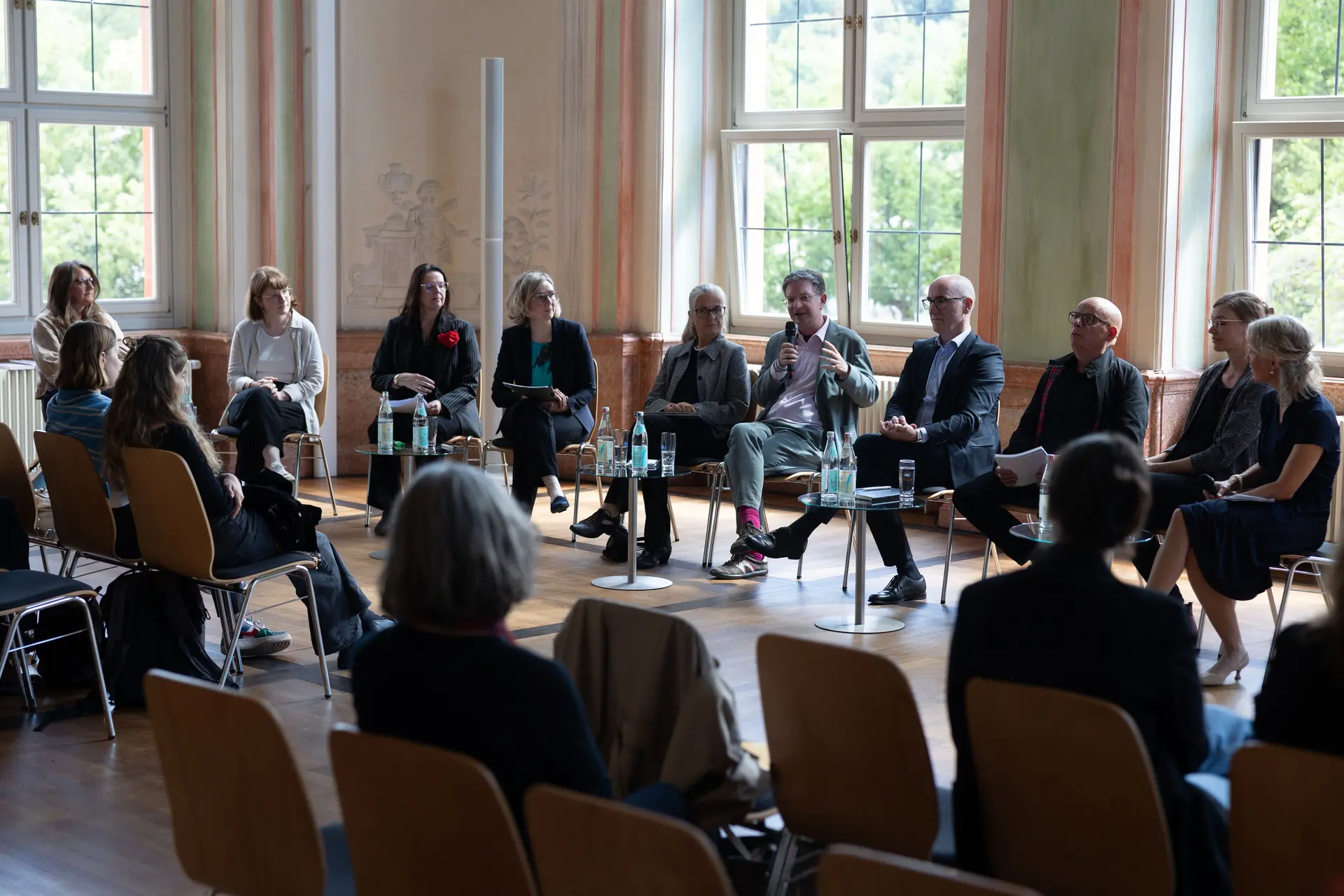
Panel discussion
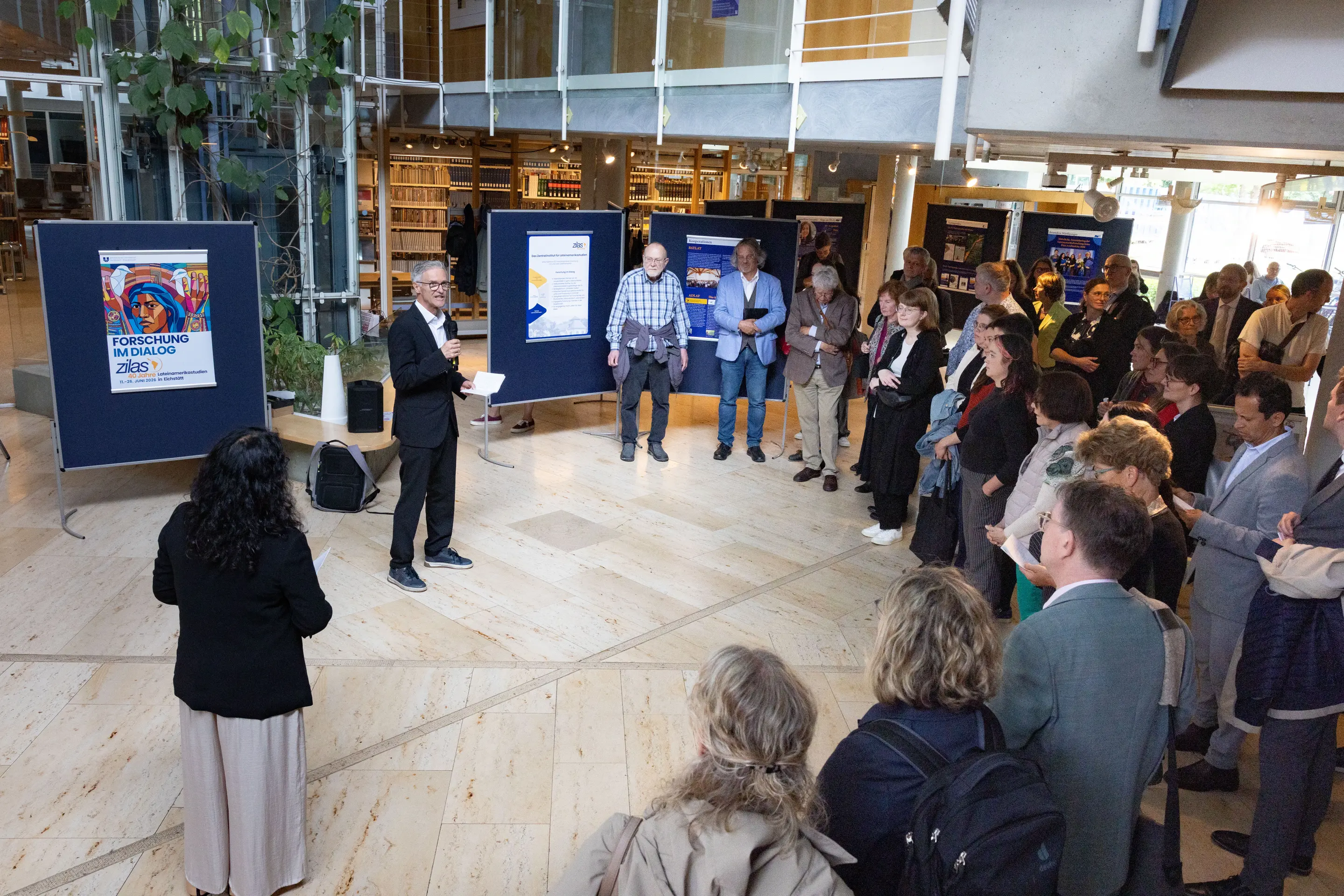
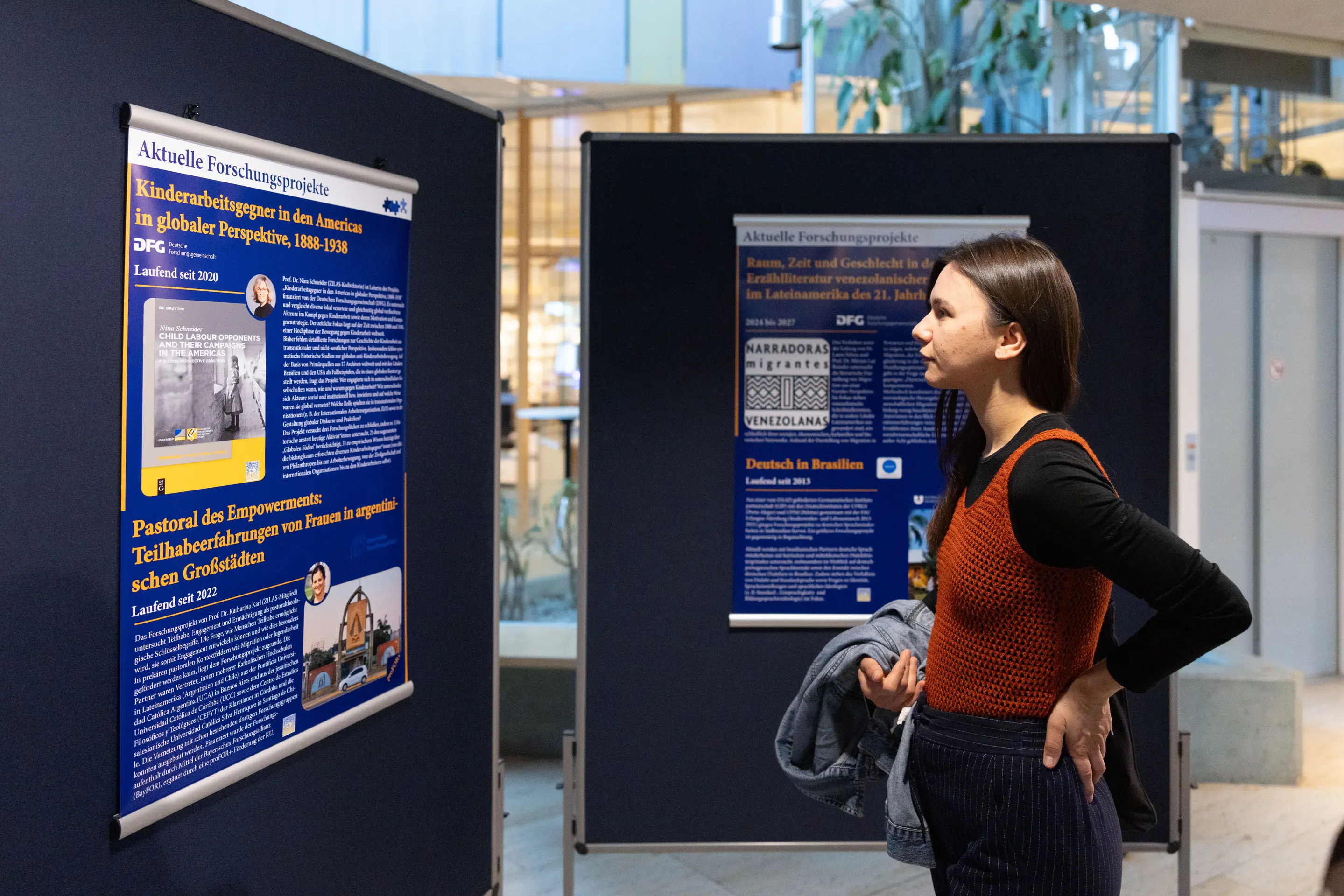
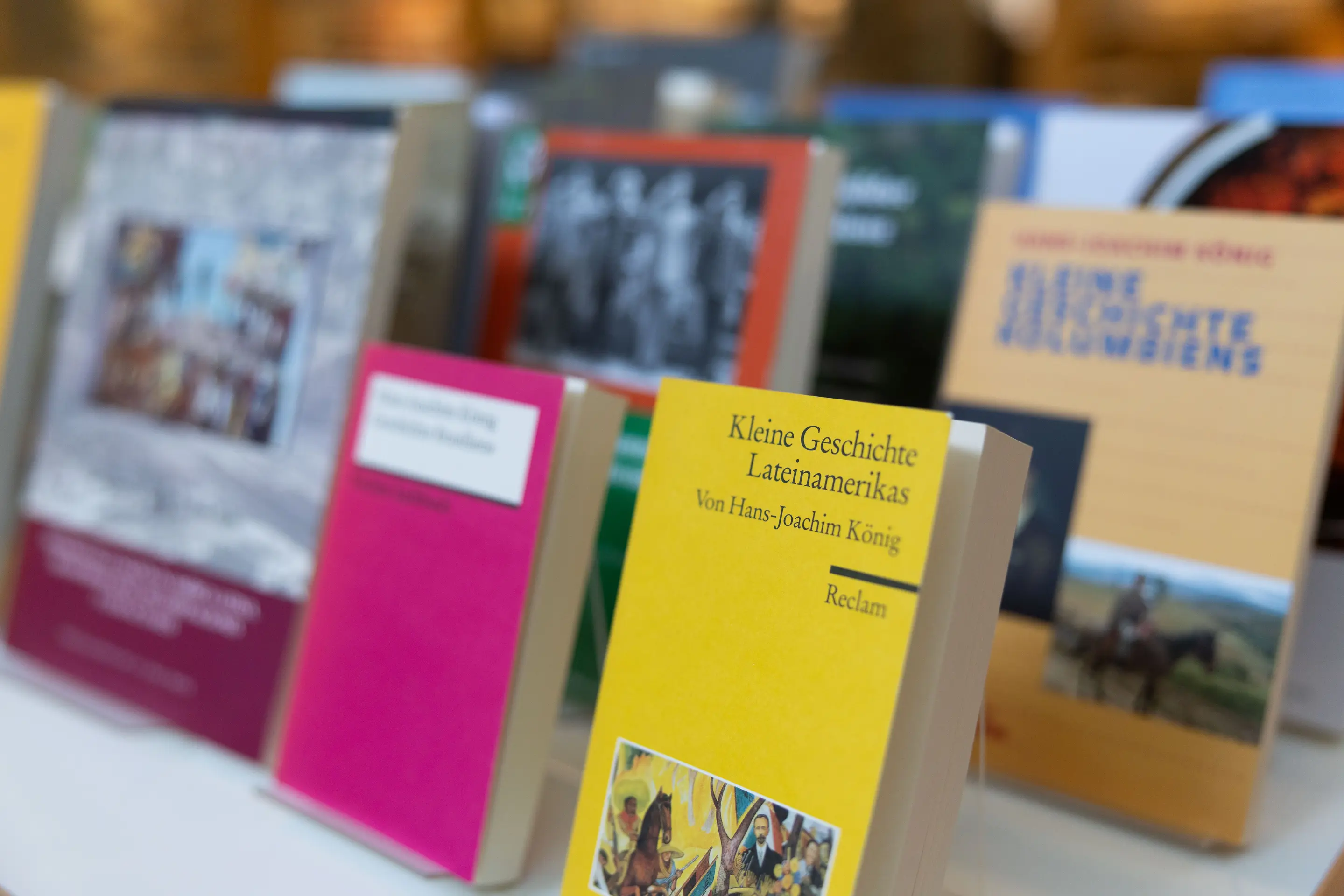
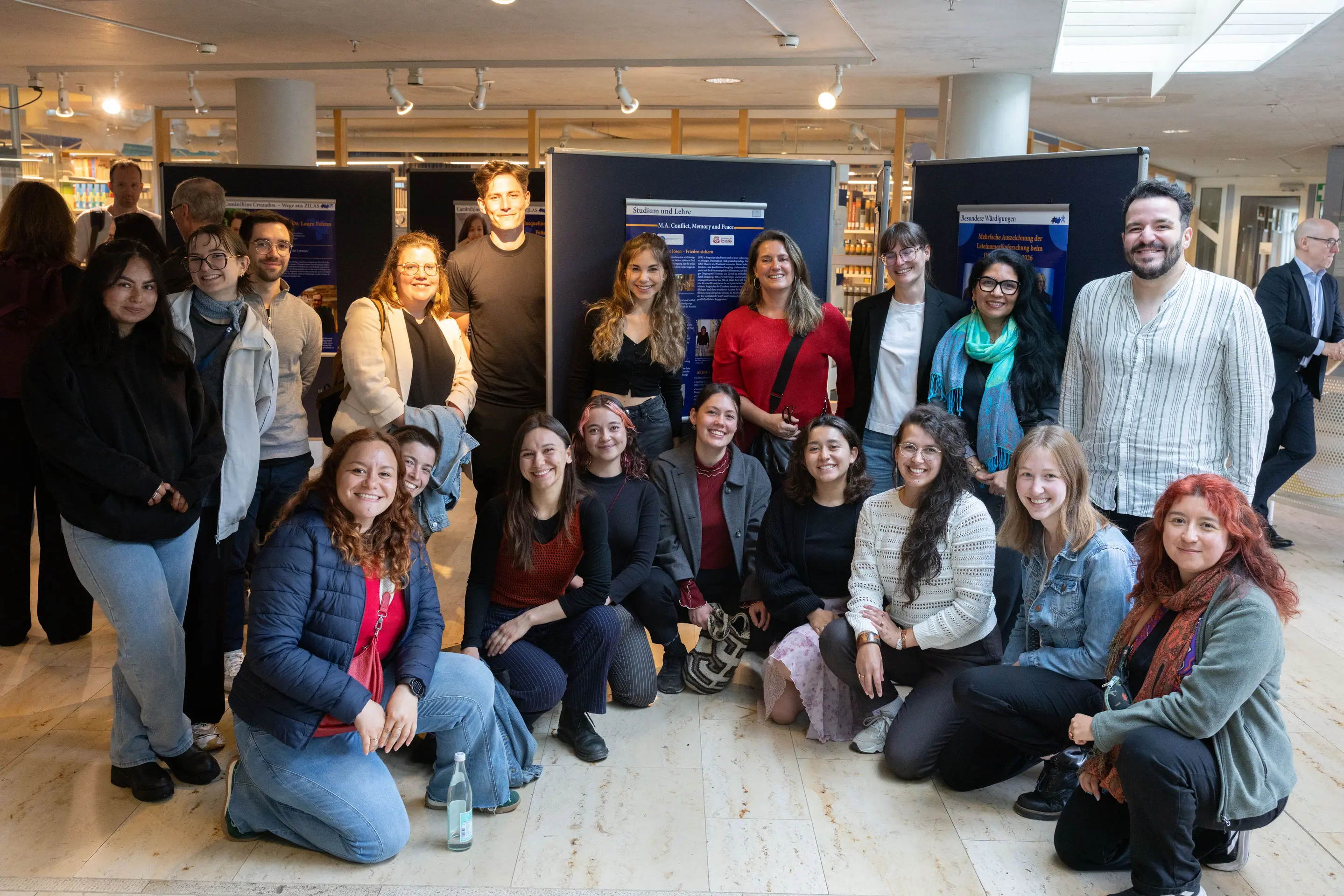
Consequently, the anniversary celebration also focused on Latin America. The seventh Maximilian Bickhoff Colloquium took place in the afternoon under the title “Latin American Studies in Times of Upheaval.” The keynote address was delivered by Prof. Dr. Barbara Göbel, Director of the Ibero-American Institute and Chair of the Working Group on German Latin American Studies (ADLAF). In a subsequent panel discussion, representatives from the fields of research funding, higher education policy, and research discussed the future of Latin American studies in light of global challenges such as social polarization, climate change, migration, and geopolitical upheavals. Another highlight of the anniversary celebration was the opening of the exhibition “Research in Dialog: 40 Years of Latin American Studies in Eichstätt", which is now on display in the foyer of the Main Library, as well as an alumni gathering titled "Generations in Dialog."



![[Translate to English:] Zum Jubiläum versammelt: Die aktuellen ZILAS-Direktorinnen Prof. Dr. Miriam Lay Brander und Prof. Dr. Nina Schneider (vorn), Prof. Dr. Silke Jansen von BAYLAT, die ehemaligen Direktoren Prof. Dr. Roland Schmidt-Riese, Prof. Dr. Hans-Joachim König, Prof. Dr. Thomas Fischer und Alumno Prof. Dr. Dr. Stefan Rinke sowie KU-Vizepräsident Prof. Dr. Klaus Stüwe (von links)](/fileadmin/_processed_/8/c/csm_40_Jahre_ZILAS_2026_Christian_Klenk-17_4b7c4ec458.webp)





![[Translate to English:] Podiumsdiskussion](/fileadmin/_processed_/3/5/csm_40_Jahre_ZILAS_2026_Christian_Klenk-30_6bad251246.webp)