![[Translate to English:] Header](/fileadmin/_processed_/7/e/csm_Professur_politische_Bildung_67e7bfe04f.webp)
Welcome to the website of the Professorship of Political Education / Social Studies Didactics
The Professorship of Political Education is responsible for teacher training students in the subject of politics and society. However, we are also a point of contact for students from all disciplines for whom political education is an important extracurricular field. In our research and teaching practice, we focus primarily on questions of learning democracy and the challenges posed to political education by right-wing extremism and right-wing populism.
Here, you will find information on research and work priorities, the team, and study opportunities and courses offered by the professorship. For information on the holder of the professorship, Prof. Dr. Rico Behrens, and contact details, please click here.
The Chair has a long tradition at the Catholic University of Eichstätt-Ingolstadt. Prof. Dr. Bernhard Sutor held the chair from 1978 to 1995, followed by Prof. Dr. Joachim Detjen from 1997 to 2013. From 2013 to 2018, Prof. Dr. Tonio Oeftering, Prof. Dr. Markus Gloe, and Prof. Dr. Rico Behrens served as acting professors. Prof. Dr. Rico Behrens has held the professorship since 2019.
News
New Publication: A Handbook on Addressing Anti-Democratic Positions and Attitudes in Schools

How can schools address anti-democratic positions and attitudes? What options for action are available to teachers, and what structures are needed to promote democratic approaches to these challenges in everyday school life?
These questions are at the heart of the newly published handbook “Antidemokratischen Positionen und Einstellungen im Raum Schule begegnen” (Addressing Anti-Democratic Positions and Attitudes in Schools), edited by Udo Dannemann, Rico Behrens, Stefan Breuer, and Eric Angermann.
The volume addresses current challenges in dealing with anti-democratic attitudes in schools, combining academic perspectives with practical approaches. It focuses on understanding and contextualizing anti-democratic positions, developing concrete strategies for addressing them in educational settings, and exploring opportunities for professional development and the establishment of supportive structures.
The handbook has been published as part of the book series of the German Federal Agency for Civic Education (Bundeszentrale für politische Bildung, bpb) and can be ordered through its website:
View and order the handbook from the German Federal Agency for Civic Education
Field Research on Resilient Citizenship in Estonia
13. 09. 2026
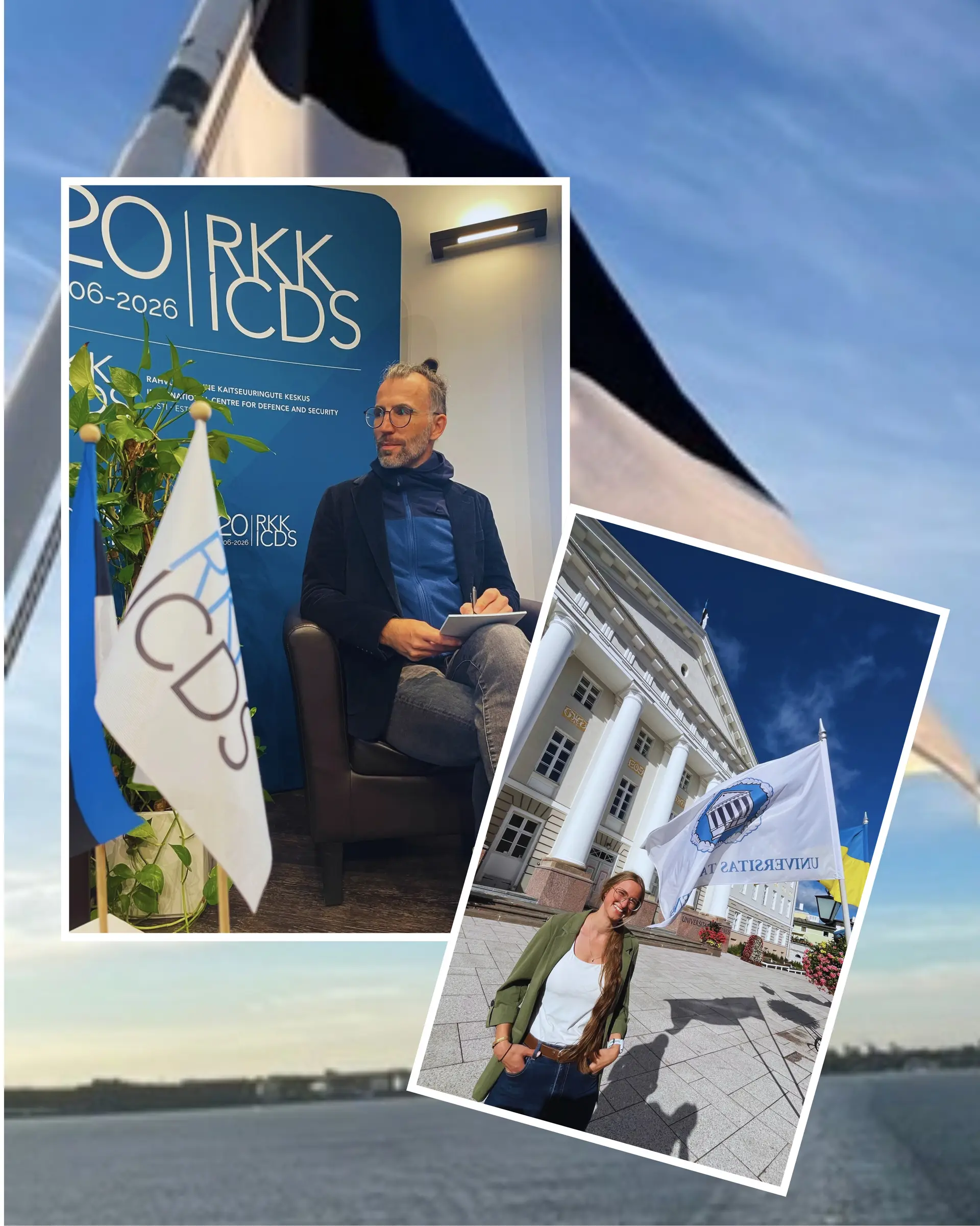
What role can “Resilient Citizenship” play in civic education? In September 2026, the Professorship of Civic Education explored this question through exploratory field research in Estonia.
The research focused on the ideas of citizenship and societal responsibility that shape public debate in Estonia – and on how these differ from discussions in Germany. How much crisis preparedness and individual responsibility is expected of citizens? What forms of civic engagement exist, and where are there connections to Service Learning? And what role can and should civic education play when societal resilience is increasingly linked to military preparedness and willingness to contribute to national defence?
During the research trip, we held discussions and interviews with experts from academia and research, the Baltic Defence College, the International Centre for Defence and Security (ICDS), the University of Tartu, as well as representatives of civil society organisations. We would like to express our particular thanks to Felix Gasper, Tiia-Triin Truusa, Kairi Kasearu and Anna Beitane, as well as to the Political Science team at the University of Tartu and everyone else who took the time to speak with us, participate in interviews and provide insights into their work.
The research trip received financial support from UNISERVITATE, the programme promoting Service Learning in Catholic higher education.
In the winter semester 2026/27, selected questions will be explored further in the research seminar “Resilient Citizenship: Civic Education and Democratic Resilience.”
Rico Behrens at the Long Night of Democracy in Altötting
02.10.2026
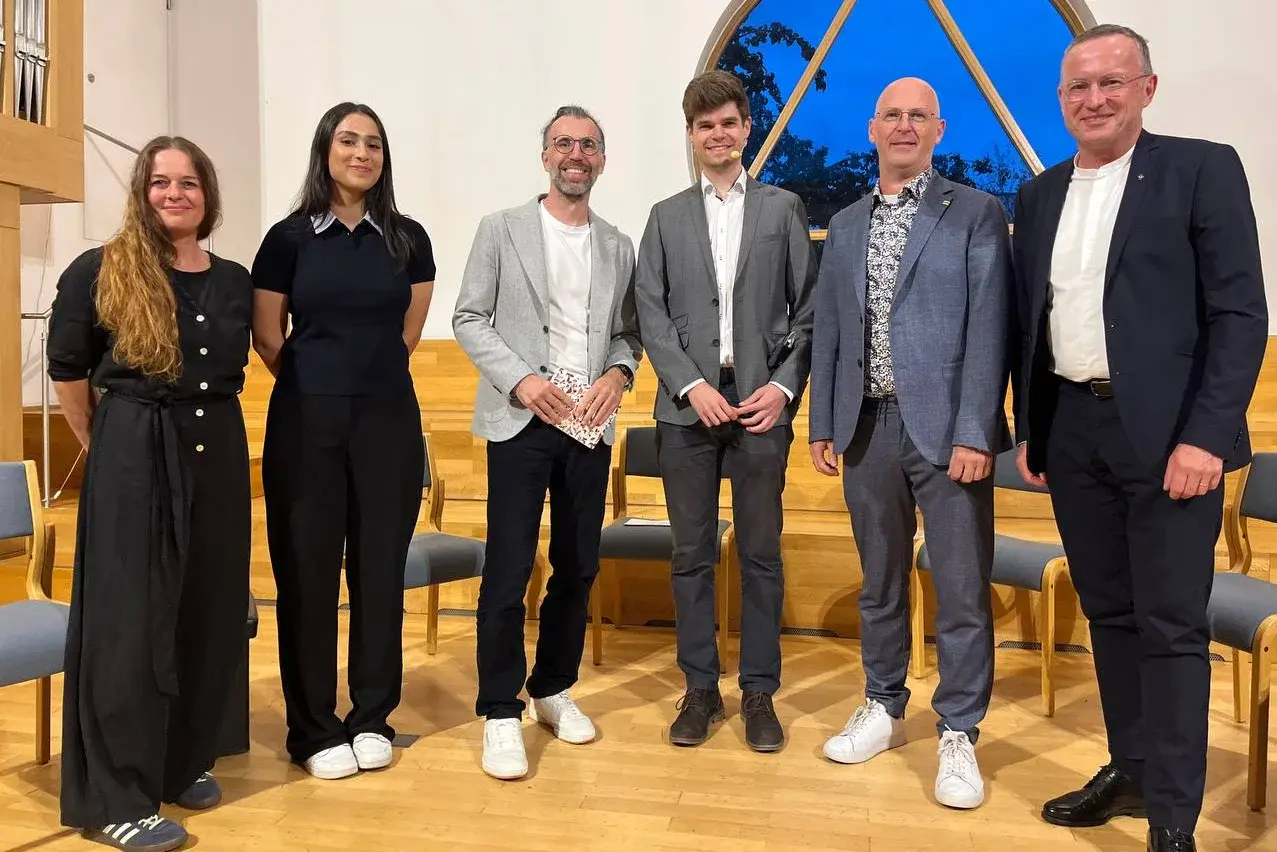
On 2 October, Prof. Dr. Rico Behrens was a guest at the Long Night of Democracy in Altötting. During the panel discussion “Is This Already Extremism? Ideologies and Violence”, he discussed violence, sexism, racism, ideologies and extremism in school and extracurricular contexts together with psychologist Silke Niegel-Wapler, Rana Husein, a student at König-Karlmann-Gymnasium, Holger Gottschalk, teacher and city councillor, and Regional Bishop Christian Kopp. A further focus of the discussion was the question of how schools can become places where students have more opportunities to experience and practise democracy.
The event was moderated by Florian Brunner and organised by Claudia Lewien.
“Eichstätt – A City for All” at the Transformation Summer Camp 2026
24 September 2026
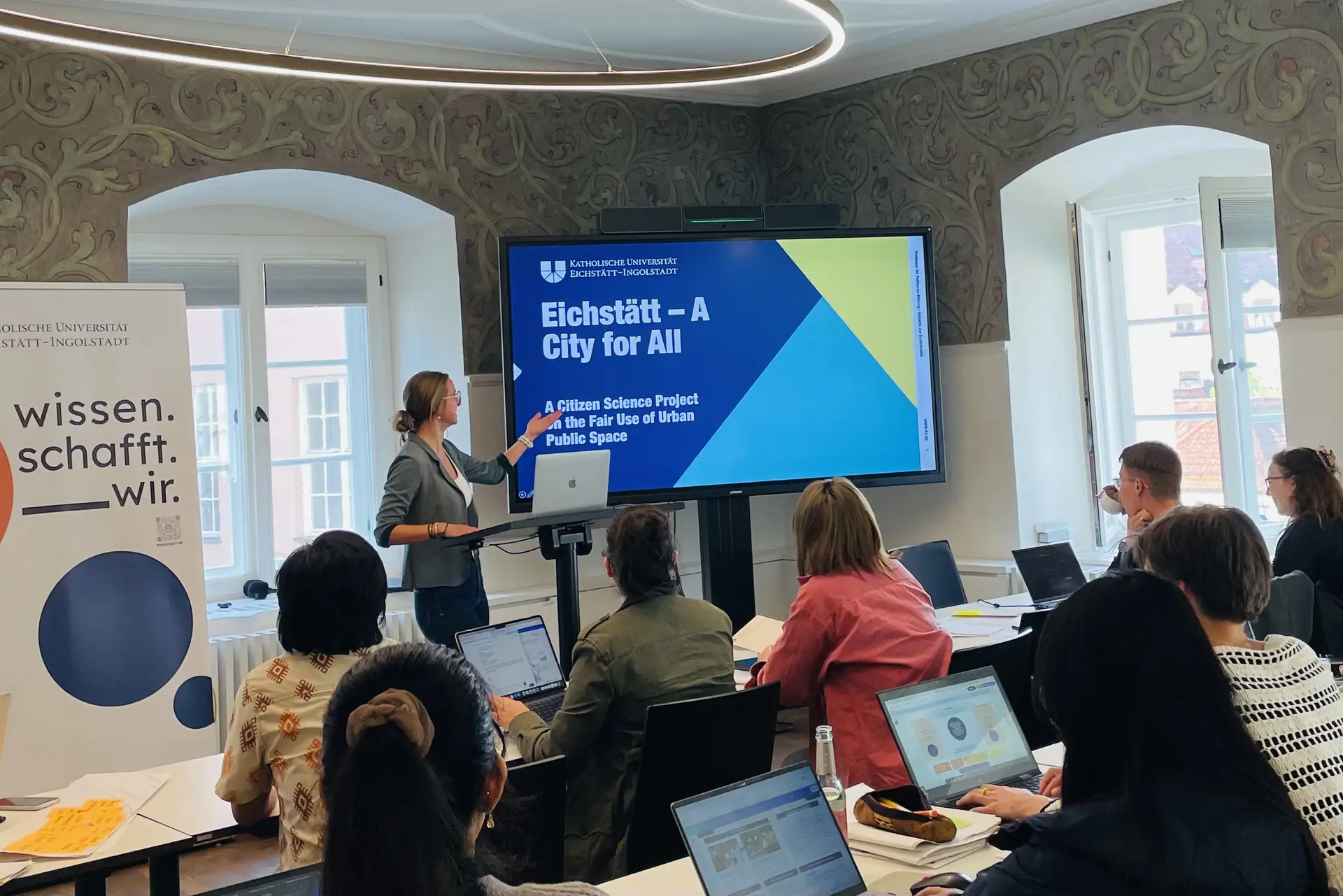
At KU Eichstätt-Ingolstadt’s international Transformation Summer Camp 2026 on Participatory Research & Citizen Science, Lisa Schmidt presented the Citizen Science project “Eichstätt – A City for All”, conducted by the Professorship of Civic Education in cooperation with the Citizen Science Lab.
In the project, young people acted as Young Citizen Scientists, using qualitative interviews and collective mapping to investigate how fairly public space is distributed in Eichstätt, how different groups use public spaces, and what barriers and needs for change exist.
The presentation focused in particular on the connection between Citizen Science and civic education: What participatory competences can young people develop through conducting their own research – and what do they learn when, despite intensive participation, their findings have only a limited impact on municipal decision-making processes? The discussion therefore focused especially on this limited policy uptake, as well as on how to address the limitations and potential frustrations of participatory processes.
Rico Behrens in the Süddeutsche Zeitung: Teachers are not required to remain neutral on democratic values
10 July 2026
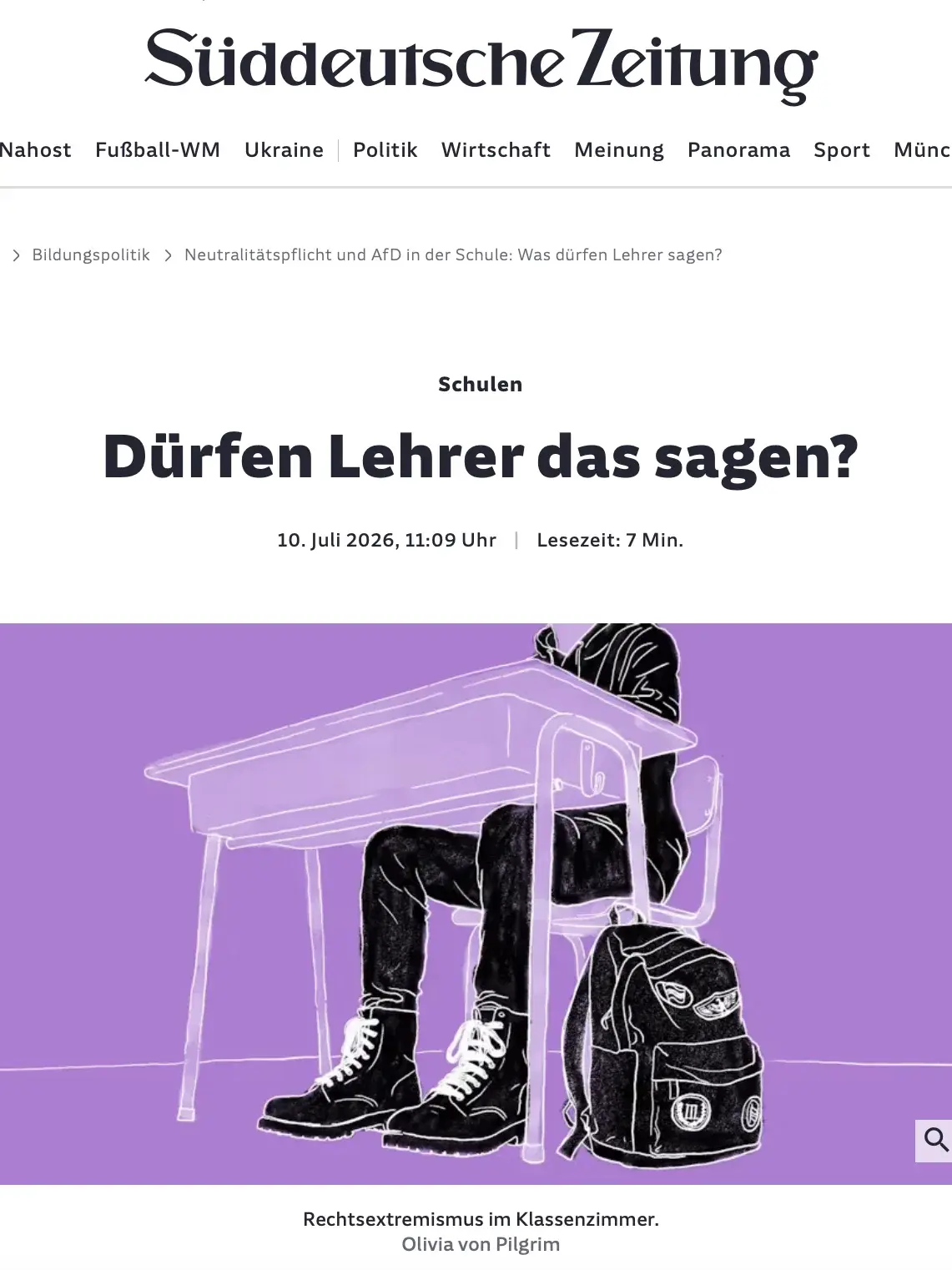
In an article published in the Süddeutsche Zeitung on 10 July 2026, Professor Rico Behrens discusses teachers’ political responsibilities and the supposed duty of political neutrality in schools. Entitled “Are Teachers Allowed to Say That?”, the article examines the legal and educational uncertainties surrounding the notion that teachers are required to remain politically neutral. It focuses on the case of Max Heckel, a teacher from Saxony-Anhalt who received an official warning following comments he made about the AfD.
Behrens emphasises that teachers must not use their position of authority to persuade students to adopt their own political views.
At the same time, teachers are entitled to present themselves as “political individuals” and to be transparent about their own positions, particularly when democratic values, human dignity or the fundamental rights underpinning a free and democratic society are called into question.
Responding to anti-democratic views must not be left to individual committed teachers, Behrens argues. Instead, it requires the support of the entire school community and clear institutional backing. As Behrens puts it: “A school is a system. Individuals acting alone can achieve very little.”
Read the article in the Süddeutsche Zeitung: „Dürfen Lehrer das sagen?“
Professor Rico Behrens takes part in panel discussion “Countering Right-Wing Dynamics, Defending Democracy”

1 July 2026
On 1 July 2026, Professor Rico Behrens took part in the public panel discussion “Responding to Right-Wing Dynamics, Defending Democracy”, organised by KU’s Centre for Flight and Migration. Following a scholarly lecture by Dr Floris Biskamp, Rico Behrens, Andrea Bittlmayer and Floris Biskamp discussed current right-wing dynamics, civic education in reactionary times and opportunities for democratic action, including with regard to the Eichstätt district. The discussion was moderated by Karin Scherschel.
The panel focused on how anti-democratic developments can be addressed in education, academia and civil society. In response to the concluding question of what can inspire confidence in democracy in the face of current challenges, Rico Behrens pointed to teachers who continue to stand up for democracy despite growing pressure and who defend democratic values in everyday school life.
The Democracy Detectives visit the Chair
30 June 2026
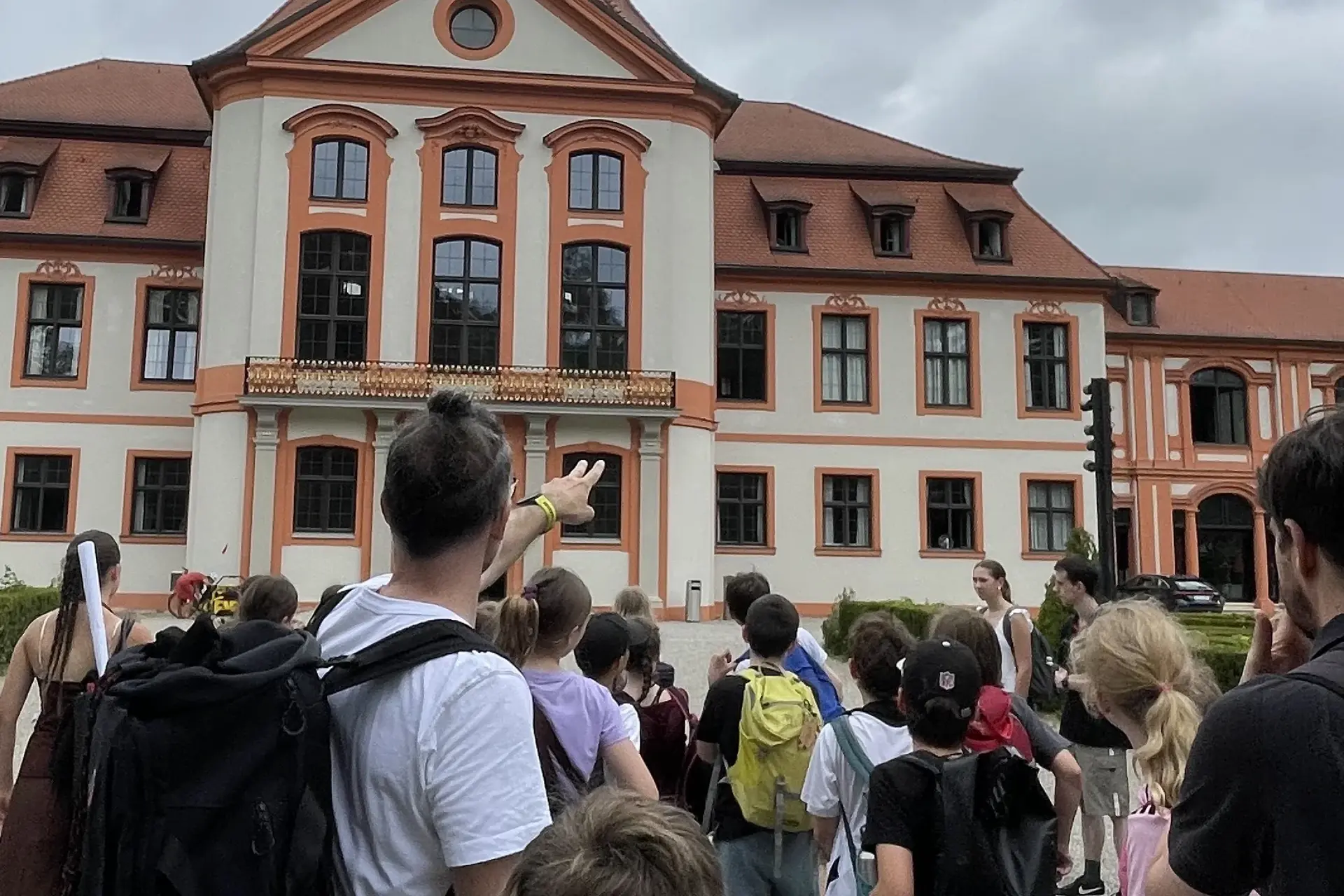
The Democracy Detectives from Christian-Ernst-Gymnasium Erlangen visited the Chair of Civic Education. The group of 36 fifth-grade students was accompanied by their teachers, Johannes Uschalt and Wolfgang Dorn. They were welcomed by Rico Behrens and Lisa Schmidt from the Chair of Civic Education and Didactics of Social Studies, who led them through the day’s activities.
Together with students from the seminar “Mission Democracy: Developing Media and Educational Materials”, the Democracy Detectives continued working on their podcast episodes and reflected on the progress they had made so far. Their visit also included a campus tour, offering them an insight into university life.
“Democracy Detectives” is a collaborative project with Christian-Ernst-Gymnasium Erlangen. In the project, fifth-grade students investigate political questions as detectives: Who gets to decide what? How does participation work at school and at the local, Bavarian, German and European levels? Drawing on their research and interviews, the students produce a podcast that explains political structures and processes in an age-appropriate and accessible way.
“The Federal Republic of Germany Is Just a Company” – VR Simulation Explores Conspiracy Theories
9 June 2026
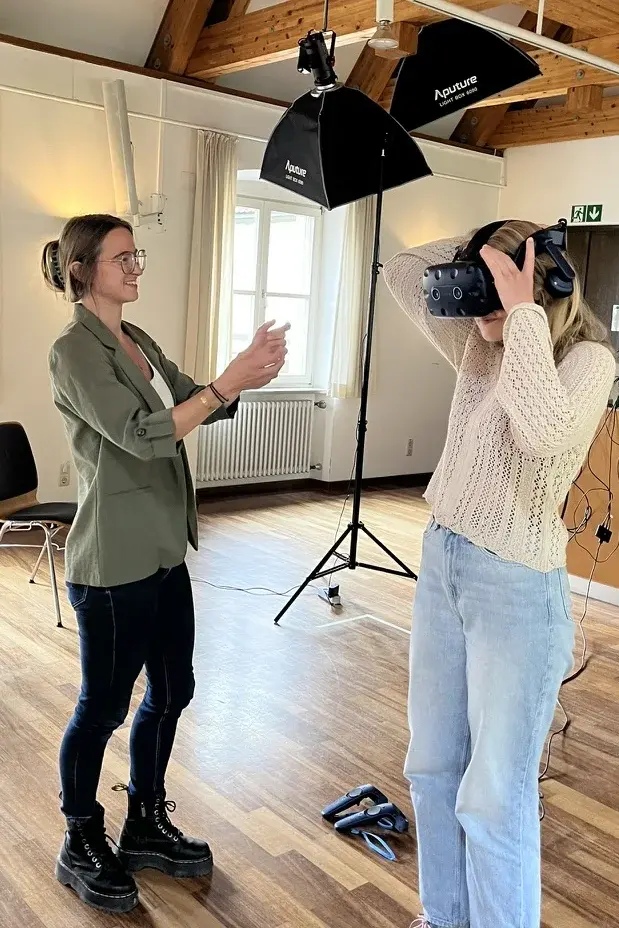
How should teachers respond when anti-democratic or conspiratorial claims are voiced in the middle of a lesson? What can they do when students claim that Germany does not have a “real” constitution or that the Federal Republic is “just a limited liability company”? A scenario of precisely this kind formed the basis of a VR-supported teaching session organised by the Chair of Civic Education on 9 June 2026.
Working with Professor Eric Richter, Chair of School Education, whose support made the VR simulation possible, the Chair of Civic Education piloted an innovative teaching and learning format with student teachers enrolled in Lisa Schmidt’s school placement course. In a virtual classroom, the students interacted with several pupil avatars and encountered challenging situations, including statements such as: “The Federal Republic of Germany is just a limited liability company.”
The session focused on how prospective teachers can respond professionally in situations of this kind. The virtual environment provided a safe space in which students could test different response and communication strategies in a realistic setting. Afterwards, they reflected on their experiences together and discussed them with their peers.
Further information about this VR-supported teaching and learning format is available under “Courses Linking Theory and Practice”. Information on the accompanying research and academic evaluation can be found in the “Research” section.
Crisis Discourses Between Openness and Resistance: Chair Contributes to ZRKG Conference
1–3 June 2026
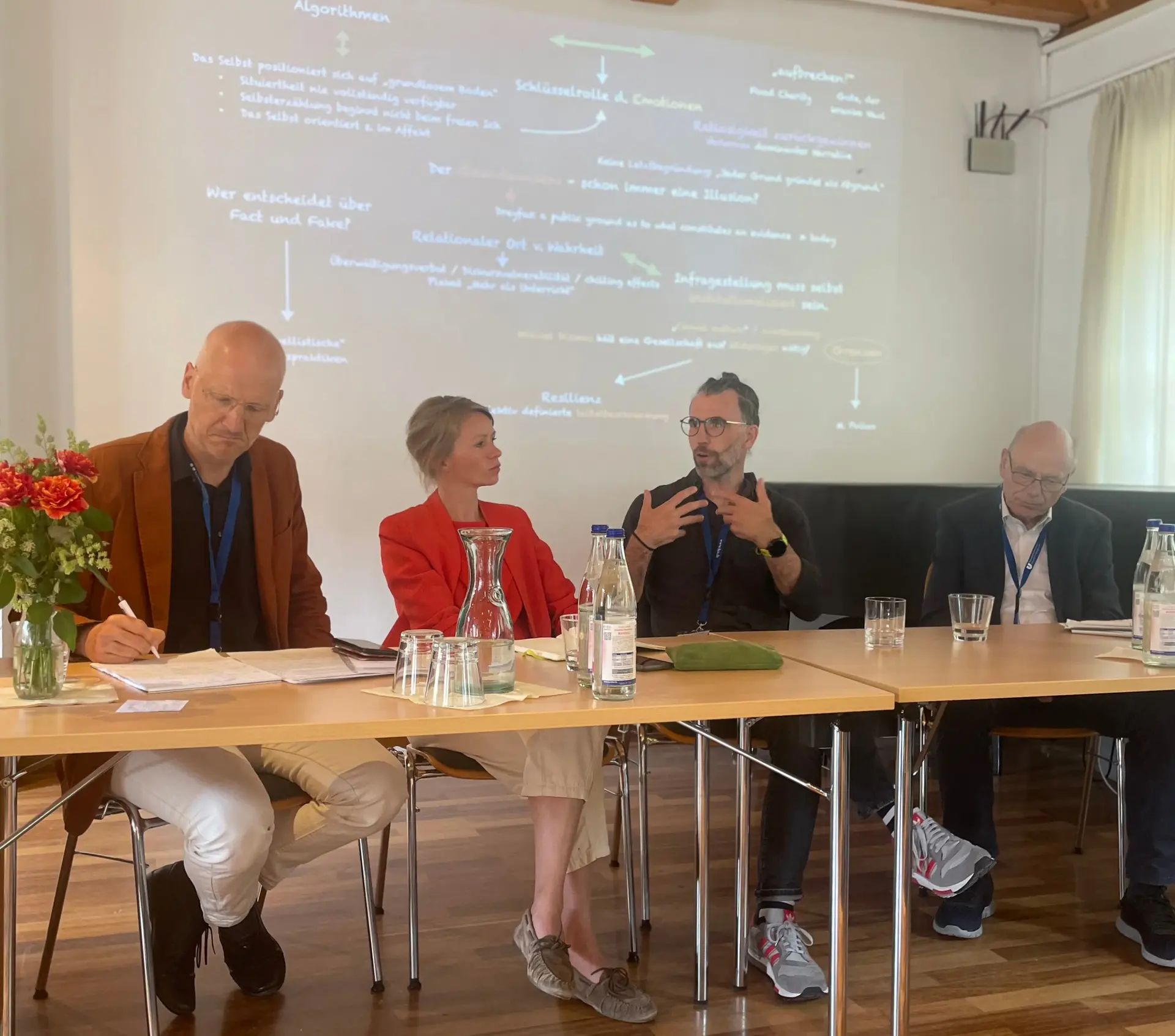
From 1 to 3 June 2026, the Catholic University of Eichstätt-Ingolstadt hosted the third conference of the Centre for Religion, Church and Society in Transformation. Entitled “Crisis Discourses Between Openness and Resistance”, the interdisciplinary conference addressed current questions surrounding narratives of social crisis, the public sphere, cultures of debate, polarisation and democratic resilience.
Organised by Martin Kirschner, Liane Rothenberger and Rico Behrens, the conference brought together scholars from a range of disciplines to discuss public crisis discourses, the media, emotions and different ways of negotiating conflict. The programme included keynote lectures by Oliver Marchart, Hans-Joachim Höhn, Eva Illouz and Gerd Schwerhoff, as well as a reading by Ilija Trojanow.
The Chair of Civic Education contributed to the conference both organisationally and academically. Its involvement was particularly evident in two sessions. In the workshop “Digital Agents of Value Formation: Individual and Social Practices of Construction”, Rico Behrens, Katharina Karl, Niklas Siebenhüter, Justin Veit and Michael Winklmann presented current perspectives on digital practices of value formation.
In the panel “Responding to Social Crises in an Age of Adaptation: Social-Ethical Perspectives on Resilient Democracy”, Rico Behrens and Lisa Schmidt gave a presentation entitled “Citizen Resilience in Times of Geopolitical Change”.
BR Report on Discrimination and Anti-Democratic Incidents at Bavarian Schools – Interview with Professor Rico Behrens
22 December 2025
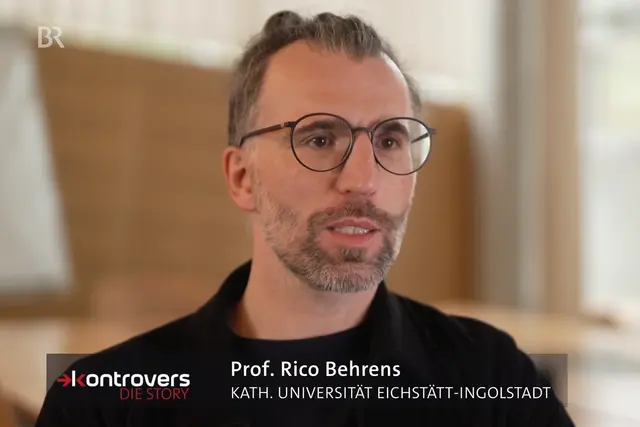
A series of reports published by Bayerischer Rundfunk (BR) in recent weeks has attracted considerable public attention. BR conducted a large-scale survey on anti-democratic incidents and expressions of hostility towards particular social groups at schools, producing striking results. The investigation and reports such as Kontrovers – Die Story were prompted by equally alarming messages from students at Bavarian schools.
Among them was a message from a student in Franconia, who reported that openly dehumanising statements such as “Heil Hitler” and “back then, you would have been gassed too” could be heard at his school. He also described how teachers downplayed and trivialised such remarks. This and similar testimony, including reports concerning statements made by teachers, prompted Bayerischer Rundfunk to conduct an extensive investigation and survey.
What makes BR’s investigation particularly significant is that Bavaria does not systematically collect data on extremism in schools. According to the Bavarian Ministry of Education, this is due to data protection requirements. Schools are also under no obligation to report such incidents. BR’s investigation therefore provides the first available data on this issue.
BR contacted the headteachers of 1,500 schools and received responses from almost 600. Of these, 66 per cent reported one or more anti-democratic incidents during the previous school year. In 74 per cent of the cases, the incidents were predominantly associated with the political right. School leaders primarily attribute these developments to the influence of social media.
“How Can Participatory Social Science Research with Young People Succeed?”
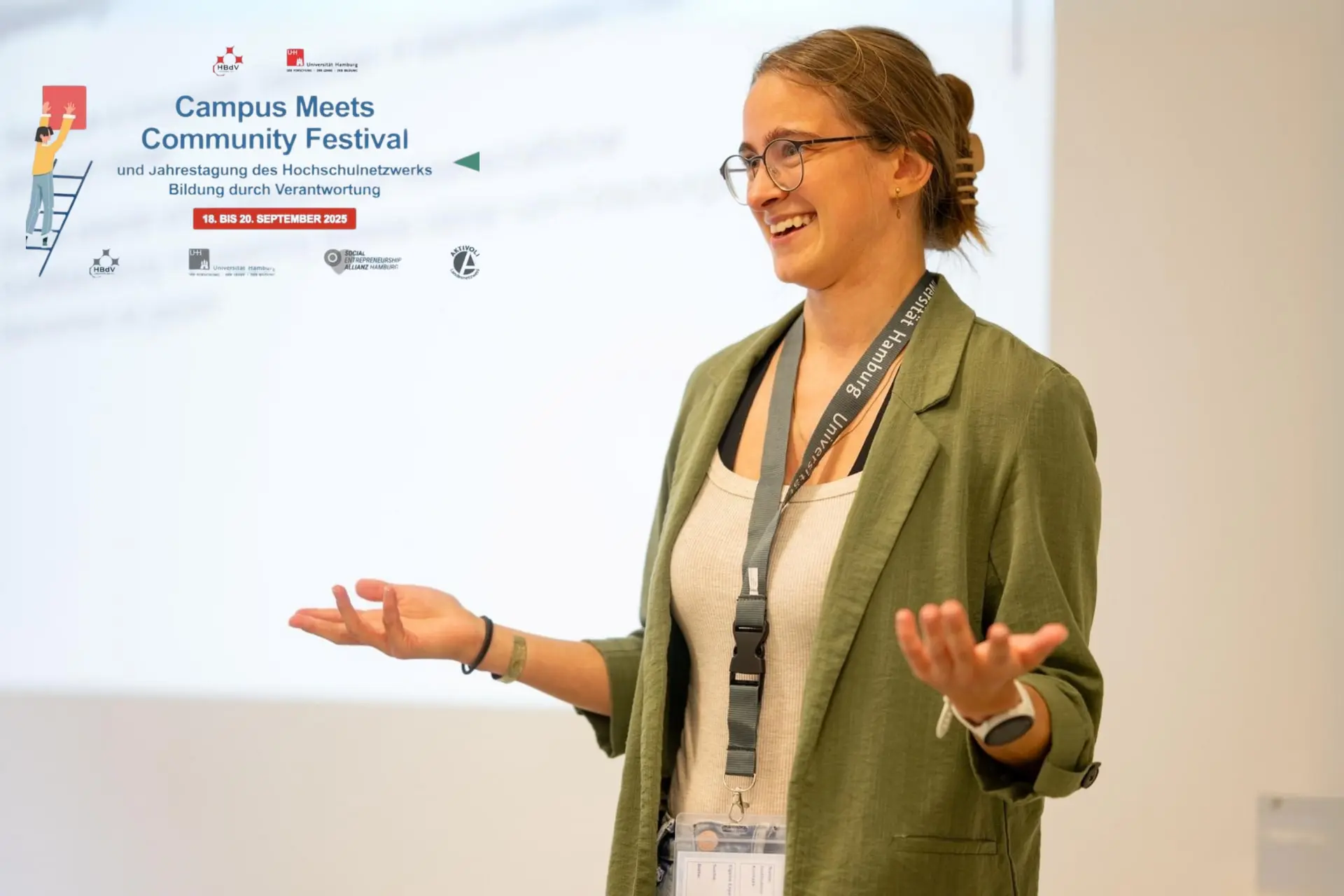
6 October 2025
Lisa Schmidt opened her presentation at the Campus Meets Community conference, held at the University of Hamburg from 18 to 20 September 2025, with this question. In her talk, she presented our citizen science project “Eichstätt – A Space for Everyone” as an example of good practice in participatory social science research with young people.
The project encouraged the young participants not to regard public space as neutral or simply given, but to examine it critically as something that is socially produced and politically contested. Their research focused on questions such as: “Who does public space belong to?”, “Who uses which spaces in Eichstätt – and which spaces do they not use?” and “Whose needs are visible in the urban landscape, and whose are overlooked?”